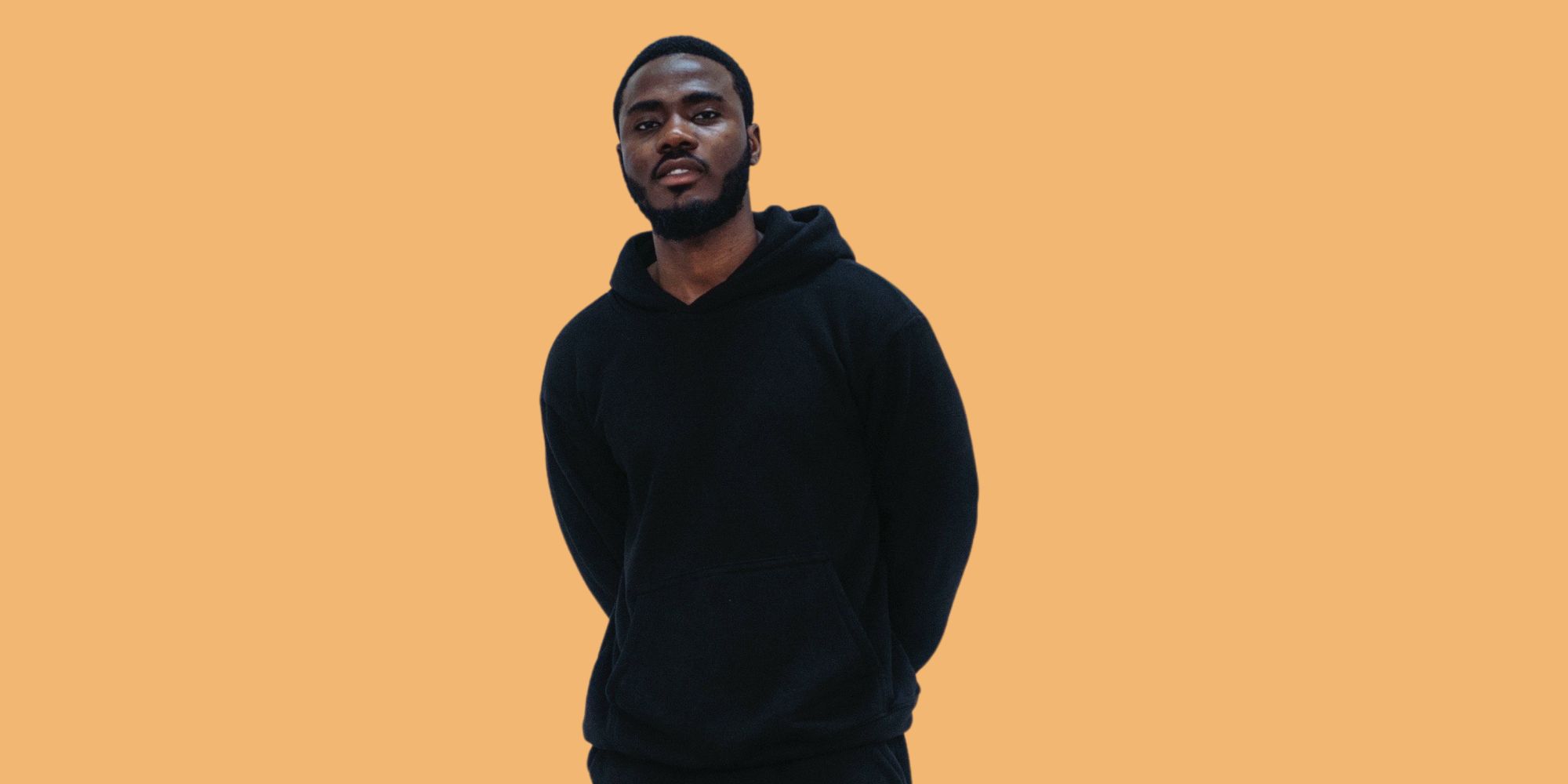
Visual art and agriculture are not pursuits that you would normally associate with architecture, but Ibrahim Saleh Abubakar, finds a way to combine all three into a business that is inspired by curiosity and experimentation. We sat with him to discuss the role curiosity plays in creativity, costing abstract string art and building a financial safety net with forex.
The CBN Just Cut Interest Rates To 26.5%: What Exactly Does This Mean For You?

Hi Ibrahim, could we get to know you a bit better?
I’m Ibrahim Saleh Abubakar. A graduate of Architecture from Ahmadu Bello University, Zaria. I’m an architect, interior designer, self-taught string artist and curious experimentalist who finds solace in nature and the thrill of creative challenges. I believe that art is everything around us, as such, everything can be a medium for creativity, a way of opening up new worlds to already existing colonies.
What did you want to be when you were growing up?
When I was growing up, I was obsessed with being a soldier. Just the idea of going to war and firing guns always gets me excited, yet I’m one of the few among my male siblings who isn’t military.
What fascinates you now?
I’m an architect by profession, but I like experimenting and trying out new things, and I have a hidden agenda for the planet to be taken over by plants and vegetation. That’s how I became an agricultural enthusiast and a part-time string artist.
You also have Kamcherie. Please tell us a bit more about it.
The name Kamcherie was a nickname from secondary school, and I began using it every chance I got. I also have a registered company in that name that deals with architecture, agriculture, the arts, and lots more. Kamcherie_art is my Instagram page, where I post some of my works and interests.
How did you get into art as a practice?
I have always been a student of art, started drawing from a very young age and also had the encouragement of an art teacher in my jss1 which grew my interest. My art isn’t specific. It evolves around making things that are not common or finding new functions for already existing things.
Art is very expansive with all sorts of disciplines. What drew you to string art?
String art has a magical quality to it. I create intricate, harmonising designs by the mere use of threads and nails that twist and intertwine. It’s really therapeutic to go from having a plain board to having designs that are catchy to the eye and leave you in awe.
How do you combine your art practice with your work as an architect?
Being an architect made it easier, I feel a part of an architect’s job is to scrutinise and visualise better options in everything, which in turn materialises a better idea in its place. So, I feel it’s just a different side of the same coin.
How did you get your first customer?
The closest people to you will be the first to patronise you. At first, it was mostly family and friends, then, as time passed, I began to get customers on social media and also through referrals.
At what point did you realise Kamcherie could be a revenue-generating business?
I think that happened when people started asking me for the price, and at first, I didn’t know what to say. I did it out of interest and curiosity about trying something new.
Your work has gotten some publicity over the years, including a Channels TV segment. Did that translate to revenue for your business?
It did, actually. With more outreach, more people get to know about your work. Sometimes, it gets overwhelming with orders, and I sometimes forget to record the process to get more social media engagements.
Would you consider that as your biggest creative win as an artist?
It’s definitely a big win because a lot of people do not get to have such an opportunity. It’s a blessing. I have been fortunate to show at exhibitions like Kafart, ART & Vibes, Abuja Jazz Fashion & Art Show and also the appearance of my works in some magazines like Aké Review and the Revue. My biggest creative win is seeing the awe and appreciation on the faces of people who get to see my works.
Have there been any challenges in building your art practice over the years, especially financial ones?
The biggest challenge I faced at first in most of my businesses was giving my products away for free and underpricing, though now I’m much better at this.
How do you handle all the administrative parts of running your business?
I’m my administration. I haven’t grown big enough to need that. I manage my business myself, which makes me understand it more. Outsourcing functions sometimes need to be micromanaged.
Do you have a preferred method of saving?
I dedicate specific bank accounts for my personal and business endeavours which has helped me separate work from pleasure.
Are there any specific tools that you use as an architect that have helped you manage your finances?
I use Excel sheets to track my expenses. Knowing when, how, and why a transaction was made and having actual expense data made everything a lot easier. I started employing that in my architectural work, which simplified it a lot and made expenses easier to track.
How do you plan and budget for your business, especially given the crazy inflation in the last two years?
That’s one of the things I don’t even want to think about, yet I have to. Inflation is just like a wildfire, eating up everything around it, making it so hard to adapt. So, the strategy I use is to try to base my prices on the current cost of materials after finalising the discussion on the details of the design with clients.
Do you have a long-term savings/investment strategy for staying financially secure through your career and after?
That’s a tough one in this current situation. But yes, I think I do. I do forex trading on the side, which I believe is a good form of investment but requires a lot of discipline.
Are there any financial decisions you have made over the course of your career that you are very proud of?
Being frugal when starting out has saved me from a lot of unwanted expenses and headaches.
Were there any financial mistakes you made at the beginning of your journey that you wish you could correct now?
I have the habit of trying too many things at once, which has, over time, consumed a lot of expenses and time. It’s a good thing, but everything should be done in moderation.
What financial tips would you like to share with other young professionals who want to build a financially secure career?
Be curious and always ask why. This builds knowledge and confidence. It always leads to answers that open new doors.