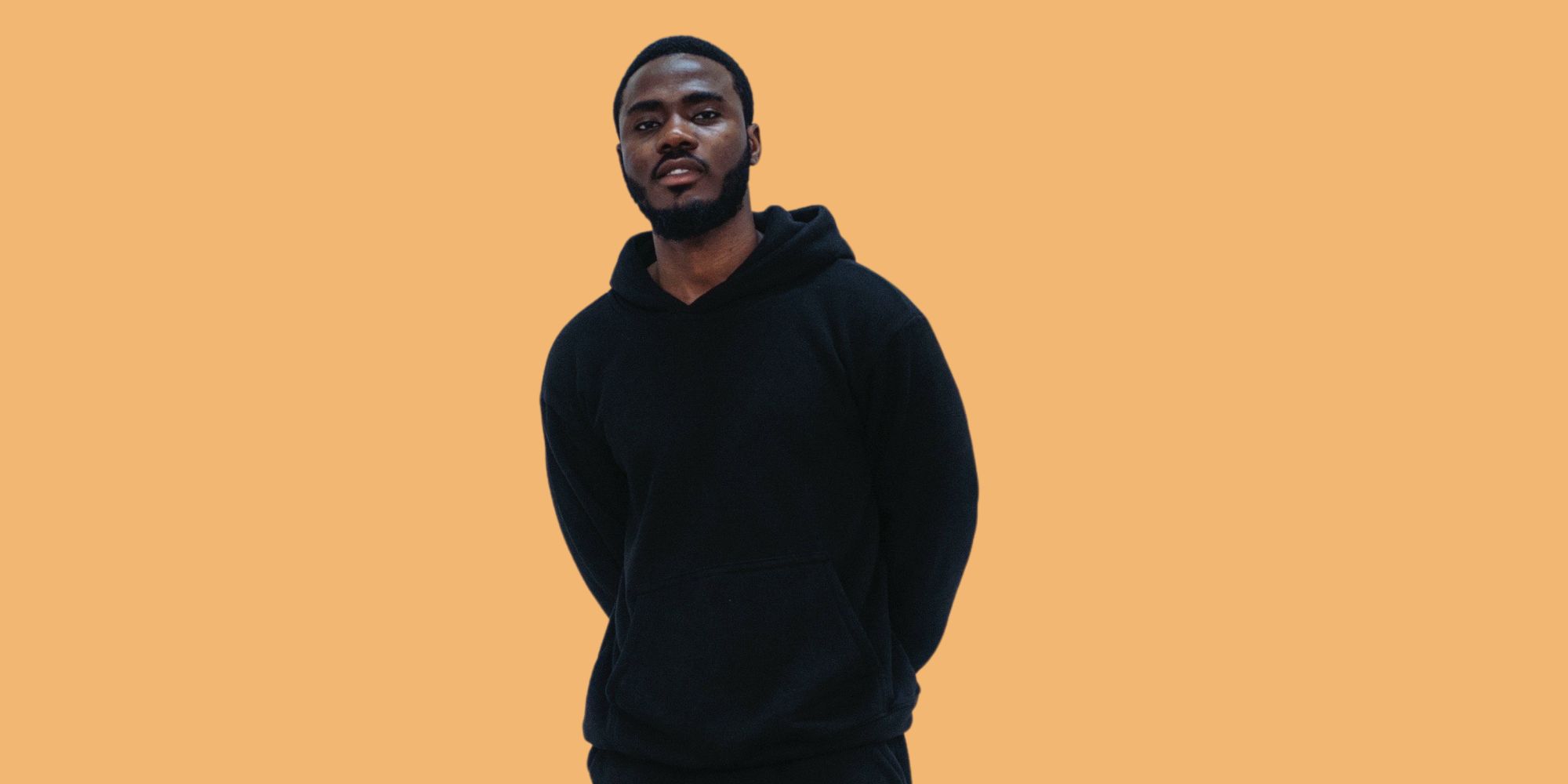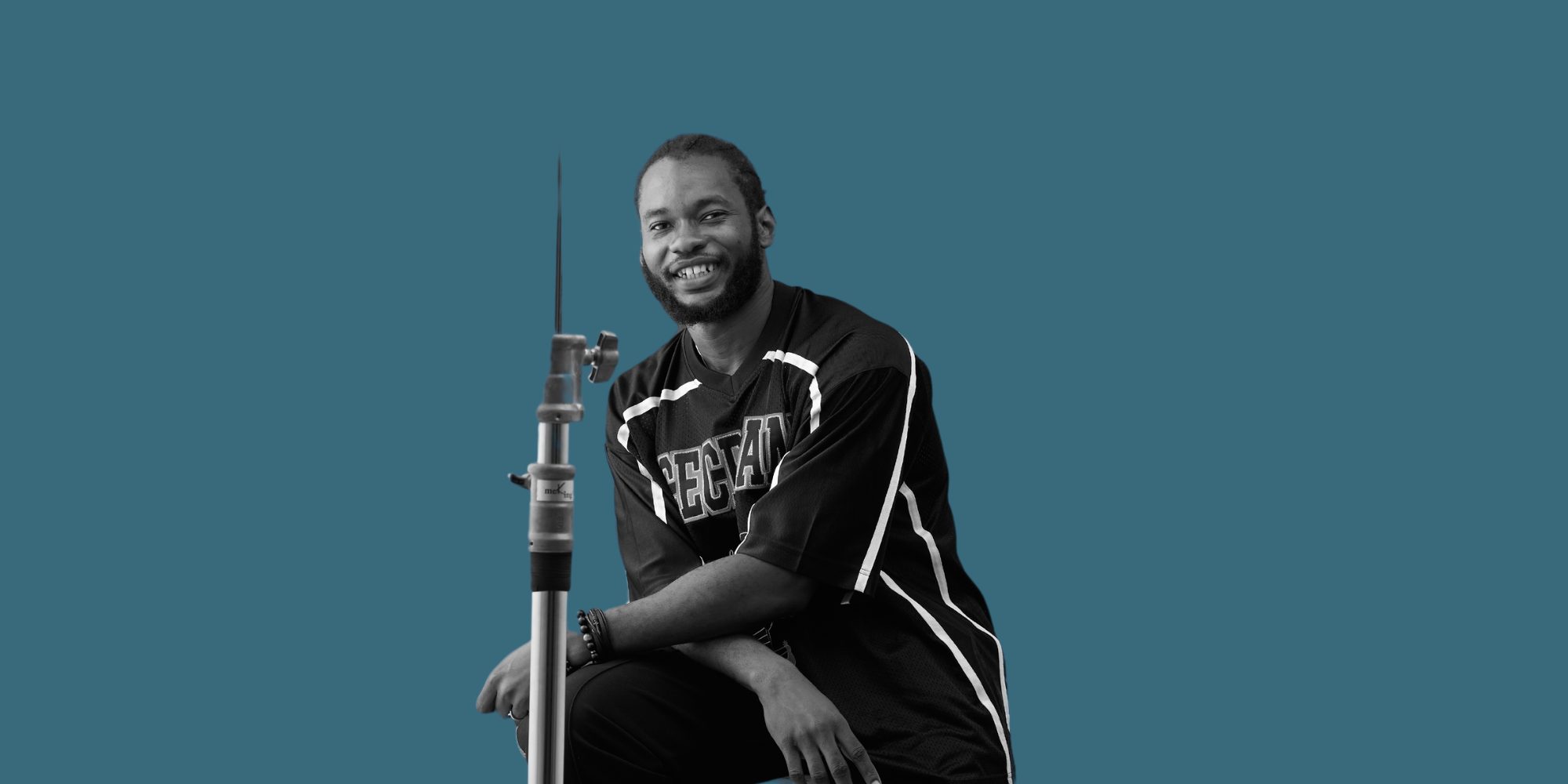
For Lateef Salvador, photography was a creative outlet before it became a business. Lateef’s creative journey has been as interesting as his work, from taking up photography to complement his work as a graphic designer to building a reputable brand as a portrait and fashion photographer, shooting for brands and A-list celebrities like Dakore Egbuson and Simi.
Piggyvest spoke to Lateef about his love for the internet and how that has shaped his career, convincing his family to support his business, starting his own photography studio and finding a balance between creativity and business.
Hi Lateef, Please introduce yourself?
My name is Lateef Salvador. I’m a photographer and studio owner. My brand name is Lasalvy and my studio is known as Lasalvy Studios.
What did you want to do growing up?
I had so many interests but my major focus was technology. I really wanted to be a robotic engineer, and it was a passion that stayed with me and even inspired my decision to study engineering at university.
Why Robotics?
As a child, I watched many sci-fi cartoons like Silver Hawks, The Power Rangers and Transformers and these shows had a lot of robots. I also like drawing cartoon characters from my favourite shows and found the mechanics of their robots fascinating. I’m still very fascinated with robotics but adulting demanded that I set it aside for a bit.
How did you go from robotics to photography?
Well, I didn’t feel like I got the knowledge I wanted in robotics from university so photography was the next best thing. Apart from being a robotics and technology lover, I really liked art. I used to manipulate pictures with graphic design. I learnt Photoshop and I used to build websites too. When you build websites you need high-quality images to bring the website to life.
I didn’t even know any photographers or that photography was a big thing. I didn’t even have a camera. I eventually got a camera after a lot of trying and my first instinct was to go to YouTube and learn how to use it. I spent two days just watching videos about cameras. YouTube exposed me to so many creators who were talking about lighting, fashion, interior design, and architecture, and that expanded my understanding of what was possible in photography.
I feel like photography is my happy place, because it gives me so much space to play and explore.
You mentioned that you were doing a lot of graphic design and website design before you pivoted to photography. Tell us more about that.
As a teenager, I read a book titled ‘Married to a Job I Hate,’ which traumatised me and cemented my decision to avoid a 9-to-5. I also got a lot of advice about doing a job I loved, otherwise I would be miserable. But I knew I wanted to be independent and have my own money so I started looking for things that I enjoyed and could do for money.
I surfed the internet a lot back then and was a huge fan of Tumblr, and all of the creativity I saw inspired me to explore and find my interests and monetise them. It helped that I was surrounded by people with fast internet and when I went to their houses I could play video games on the internet and surf the internet. I wanted to learn how people were able to create images, animate them and the backend of how it worked. I started researching on Youtube and that was how I discovered graphic design and website creation.
After a bit of experimentation, I realised people would pay for my designs and I started creating designs and building websites for customers.
A lot of your passions were possible because of the internet, so I have to ask, what is your relationship with the internet?
I love the internet. Everything, good and bad was on the internet, for free if you know where to look. It was especially helpful to me when I was starting out in photography because I didn’t need to intern under another photographer to learn the basics of photography.
I remember posting my first photo on Tumblr, feeling like a fashion photographer and one photographer rubbished my photo. I later realised it was a ploy to market his photography course which cost N80,000 at the time. I didn’t have the money and I knew my father wouldn’t give me the money because at the time he wasn’t in support of me becoming a photographer. So I went on Youtube and searched, ‘Photography for Beginners’. At every point in my career, the internet has provided me with knowledge, inspiration and feedback on my work.
5 Nigerians On How They Are Responding To Nigeria’s Tax Reforms
You mentioned that your father wasn’t supportive of your initial decision to major in photography. How did the rest of your family respond to your decision?
My mother has always been a huge fan of all of my interests, her only condition was that I finish university and get a degree before I go to do my own thing. My father is old school and wanted me to have a traditional career in engineering. But I am very stubborn about having my free will to choose my own path in life. That caused some friction between us early in my career because I was working out of his house in the early days and he hated having people in his house at odd hours of the day.
My youngest sister was my biggest influence pushing me towards photography. She is probably even worse than I am about pursuing her interests. She is a makeup artist and she is always pushing for us to collaborate, especially on days when I have no inspiration. My older brother’s only fear was that I wouldn’t get compensated properly for my work. He eventually came around when I bought my first camera worth N600,000 and when people started praising my work and expressing surprise that we were related.
Everyone got on board when they started to see my success, the only person who is still not majorly in support is my dad. He is not yet convinced that photography is a viable career but he is happy that I’m not doing drugs or ‘wasting away’ my life.
In Nigeria, people don’t take creative work seriously. As a photographer what is the most surprising experience you’ve had with clients?
I’m still growing so every milestone surprises me. I’ve been working for eight years and I feel like I’m only achieving levels of success that other photographers achieved in three years. Now I’m surrounded by some business-minded photographers and it’s shocking how much I need to learn about running a photography business. It surprises me when people recognise my work without a watermark. I’m surprised when clients don’t try to negotiate my work rates because they see the value of my work.
The most surprising is the level of expectation that clients have of me. Clients come to me with samples of the work of photographers I look up to and want me to replicate them, clients get photos that I think I’ve done a good job on and they say ‘This is not the level of work I expect from Lasalvy’. There are thousands of images on my moodboard on Pinterest that I’ve saved for inspiration so it’s good to get validation that I’m on the right track.
As a creative person who is also a business owner, how do you deal with impostor syndrome with taking on big projects and charging rates that are worthy of your work?
I have impostor syndrome in both ways, as a business owner and creator. I got some advice from a photographer which helped me deal with this. “If you are charging N50,000, are you able to give them a ₦50,000 experience?”. It has helped me charge more, but it also motivates me to put my very best into the work and the customer experience so the customer is always satisfied. You only get one opportunity to make an impression on the client, so I try to make that first experience the best possible experience.
Remind yourself that you are offering a service and the client only cares about results. I try not to dwell on setbacks I have during a shoot. If I hit a setback, I focus on getting through the day, and revisit the challenge after the work is done and learn from it. I also try to get as close to the vision as possible so if anything else goes wrong, I can always send the client the raw images.
Women & Money: Adesope “Oyinademii” Ademola Is Hustling Her Way To A Cocktail Empire
To combat creative impostor syndrome, I give myself permission to take a break, even if it is thirty minutes during a shoot or four hours away from the rest of my day. Doing that helps me a lot. During those breaks, I go back to things that I love, like tv shows, YouTube and my moodboard on Pinterest. I also compare my older work to my newer work to see how much I’ve grown. They reminded me of where I’m headed in my career and what is possible.
You mentioned that you’ve graduated from working out of your parent’s house and moved into your own studio. What have you learned from that journey?
First off, I shouldn’t have been scared when I thought about it the first time. I also wish my dad was onboard when I wanted to start my studio business, I would have gotten farther than I have now.
It was a little slow to start my studio because I didn’t have a lot of experience with pitching and writing proposals. Having that experience would have helped me achieve the big ideas I have for my studio and studios in Nigeria. But I’m happy I made the decision to leave, and I’m happy that I’m building this part of the business in the direction I like. I consider it one of the best decisions I’ve made in my career.
What is your preferred method of saving?
I have four different savings accounts. My primary savings account is for short-term goals like vacations, new equipment, rent and whatnot. My secondary savings account is for long-term financial stability and eventual investments. My lifestyle savings is my way of controlling my spending on luxuries and enjoyment and when that account is low I know I have been financially reckless for the month. My emergency savings are for ‘emergencies’ like sudden expenses like fuel or logistics for a client or challenges at the studio.
When I get revenue, either for a client or other projects, I pay off all my recurring expenses for running the business, I set aside my savings cut and immediately split the rest among these accounts.
10 Of The Best Books About Money For Nigerians To Learn About Saving, Investing, And Wealth Building
How do you plan and budget for your creative projects so you never go over budget?
If it is a personal project, I work with people who understand my process, see my vision, and are patient enough to execute with me. Co-owning a studio lowers my costs even further and having a lot of complementary skills from my time as a freelancing graphic designer, I can do a lot of things I would otherwise outsource. I always budget for food and logistics and after I handle all the other miscellaneous costs.
For client work, I make sure to create a comprehensive budget that covers all the needs. That way everyone is paid and can bring their best selves to the project.
Are there any financial decisions you’ve made in your career that you are very proud of?
Saving.
A client once told me, “What differentiates between a rich mind and a poor mind is the ability to set money aside for the future and grow it”, and that stayed with me. It is very hard to save, but because I didn’t have any external support and had to build my business myself, I had to learn very early how to save and be disciplined with saving. Whenever I got any inflows, I automatically assumed 10% of it was gone.
Saving in Nigerian banks and the financial insecurities that come with it has taught me how to diversify my savings portfolio. I think that was when I started using Piggyvest to save with interest and transact in dollars with Grey Finance. There are still so many things I need to learn about savings, but the little I have learned has been responsible for some of the biggest wins I have had over the years.
In a nutshell, just learn how to save and be disciplined, you won’t die if you don’t buy that thing today, the opportunity will come another day.
What is your best advice for charging clients as a creative?
If you cannot provide the service, be upfront with the client about it. Don’t force it, learn to say no. I only learnt this recently because before I started learning about the business of photography, I was taking work primarily because of validation. Because of that, I took a lot of jobs that I could but shouldn’t have done because I didn’t align with my brand and my goals. I still struggle with this, but in my experience, the times I have said no have saved me so many headaches in the last two years.
This is especially true for photographers, if you know you can’t replicate that image or capture that art style, suggest to the client what you can’t do and if they don’t agree, say no. You will find clients who want your unique point of view.
Finally, do you have any tips for photographers who are trying to grow their businesses?
Save where your money will work for you. I can’t stress this enough, especially with how badly inflation has ruined the value of money. Now that we have so many investment platforms, and you find one that you can trust and works for you, there is no reason to leave your money sitting in a traditional bank.
Secondly, work within your means and trust your process. I said trust YOUR process, not trust the process because you are the brand and the product that the client comes for. Every time you succeed at something, you grow, and that is your process. If you don’t trust that process and just want to be successful without doing the work, you will crash.
Trust your process, even when you make work you don’t feel is up to your standards. You took that picture and you are working. The people who want your unique perspective are watching you work and it is that process at work that they will come for eventually.
So trust your process.