We’ve all had to navigate cash-draining emergencies at some point in our lives: a sudden loss of income, burst pipe, broken phone screen, a fender bender, a sick family member. This is where an emergency fund comes in — a financial safety net that cushions the blow when life throws you one of its unexpected curveballs.
An emergency fund is an essential element of financial security, and it is crucial to prioritise it as you start your financial journey. A dedicated emergency fund gives you peace of mind and contributes to your financial well-being.
What is an emergency fund?
An emergency fund is a savings account set aside for, you guessed it, emergencies. Its purpose is to cover sudden financial hardships, such as medical emergencies or necessary home repairs.

Emergency funds are separate from the spare cash you have left over after spending for the month and separate from your day-to-day cash and saved in a readily accessible savings account.
Why do you need an emergency fund?
Without savings, it’s hard to deal with a financial setback and even harder to fully recover. So, if you don’t have an emergency fund already, consider growing one. Here’s why:
- Peace of mind: While life can be unpredictable, building an emergency fund will reduce your financial anxiety, safeguard you from the unexpected, and give you peace of mind.
- Avoidance of debt: With an emergency fund, you won’t need to borrow from friends and family during difficult times or feel pressured to utilise predatory loan services. Taking high-interest loans from loan apps will lead to a cycle of debt that is hard to escape.
- Financial flexibility: Emergencies will happen. And an emergency fund will allow you the flexibility to respond with sound decisions when they do. A financial safety net will allow you to take risks and seize opportunities like quitting a toxic job, making investments and buying property.
How much do you need in your emergency fund?

Before building your emergency fund, determine the value of your monthly expenses. As a rule of thumb, your emergency fund should contain three to six months’ worth of living expenses.
Let’s say your monthly expenses (utilities, groceries, transportation, rent contributions, debts, and other living costs) add up to ₦128k. Experts recommend that you set aside between ₦384,000 (128,000 x 3) and ₦768,000 (128,000 x 6) in a savings account for unforeseen emergencies.
However, our lived realities indicate that this goal may be unattainable for many Nigerians. 63% of Nigerians live in multidimensional poverty; it is challenging enough to survive on less than ₦100k monthly, let alone save. While one should ideally have at least three months’ worth of living expenses stowed away, any amount will do. What matters is that you set it aside for emergencies and keep working your way up from there.
Different financial situations may require more savings. Due to unstable income, self-employed individuals should consider saving between six and twelve months’ expenses. Another factor to consider is the size of your family; the more dependents you have, the more you may need to save.
How to start building your emergency fund
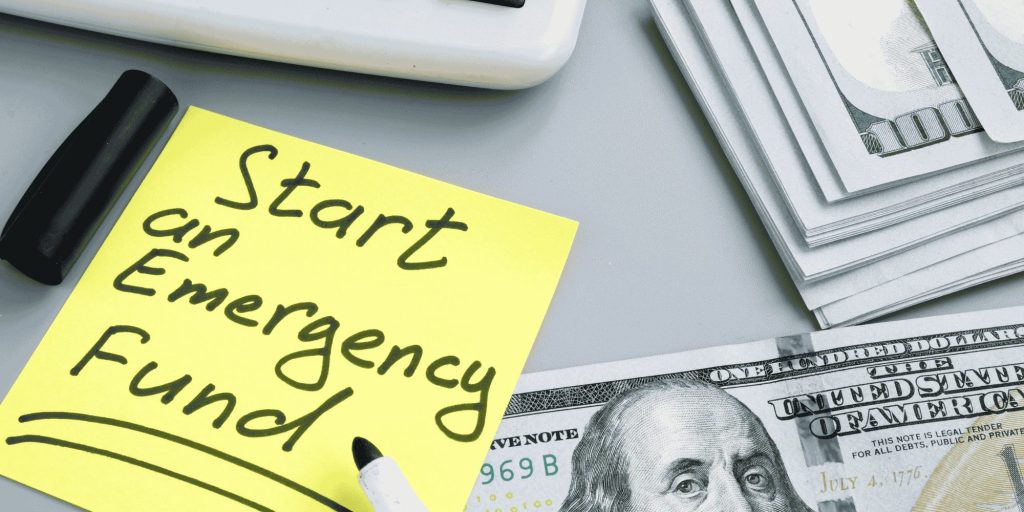
Your target amount might seem daunting, but don’t get discouraged. It takes a while to build an emergency fund, so your job is to determine a realistic timeline to meet this goal. By breaking this process into practicable steps, you can build a financial safety net for yourself and work towards your future plans with confidence.
1. Set a realistic saving goal
Regardless of your income, saving three to six months’ worth of expenses can take years. So, start with a small amount, and focus on developing a saving culture and building momentum.
For instance, if you’re looking to save ₦400k as emergency funds, you can start by setting aside ₦35,000 monthly. As you get a hang of saving consistently and as you earn more, your can increase your savings.

2. Use a budget
Budgeting is a great way to track your income and expenses. A budget tailored to your goal of building an emergency fund prioritises saving over non-essential expenses.
If you’re new to budgeting, consider the 50 30 20 rule. This rule encourages you to save before you spend, by allocating 20% of your income to savings, 30% of your income for wants (aka non-discretionary expenses), and 50% of your income for your needs.

3. Cut back spending
Budgets are also extremely helpful in identifying frivolous expenses and showing you holes you need to plug in your spending. Some common expenses to consider are dining out, transportation, impulse purchases, and subscriptions. Instead of splurging, redirect these funds into your emergency savings. Future you will be glad.
4. Automate savings
Automating your savings is one of the easiest ways to build emergency funds. Automation ensures that you’re consistently saving even without thinking about it.
As a Piggyvest user, you can create an Autosave for salary day. Or create a Target Savings plan to automatically save a stipulated amount daily, weekly, or monthly. No matter how little you’re able to save, what matters most is consistency. It’s little drops of water that make the mighty ocean.

5. Replenish after withdrawals
If you keep withdrawing cash from your savings without paying it back, you will soon find yourself back at square one. Treat every withdrawal as a loan from you to yourself, and endeavour to pay back afterwards.
6. Assess and adjust
Regularly review your budget and track your progress to see if your monthly expenses have risen, and modify your savings goal accordingly. Remember that reaching your goal doesn’t mean you should stop saving. If saving six months’ of expenses is light work for you, then double your target and continue to save.