
Lifestyle creep, also known as lifestyle inflation, occurs when an individual increases their spending when they start earning more. Many people believe that having more stuff will make them happier, and an increase in income calls for a corresponding—or even inordinate—increase in expenditure.
Lifestyle inflation might be why you exhaust your income early and eagerly await your next paycheck before the month ends. As a result, making major future financial decisions, like buying homes, starting families, building an emergency fund, or saving for retirement, is difficult, even in a higher income bracket.
What does lifestyle inflation look like?
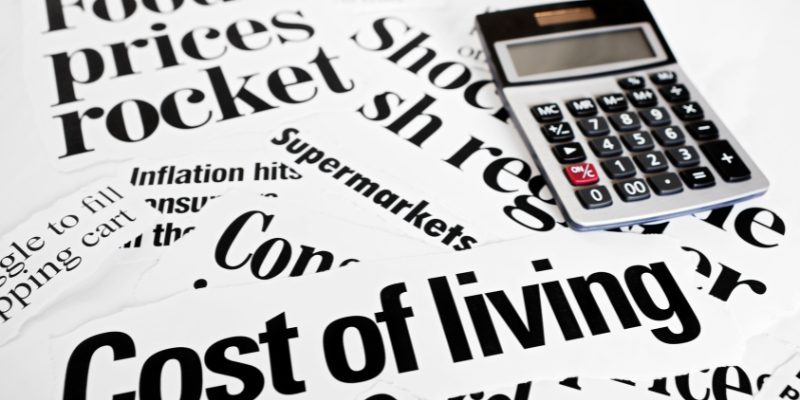
There’s no argument that increasing your income is the fastest way to reach financial freedom. But with a higher income comes the temptation of increased expenses. Lifestyle inflation typically happens when you spend more on non-essentials due to having more disposable income.
Take transitioning from a ₦33,000 allawee as a corps member to a ₦250,000 salary as an example. The urge to modify a decent lifestyle powered by a paltry NYSC allowance, into a new, improved (read: inflated) lifestyle becomes too powerful to resist. Wants soon become needs, and living with your parents suddenly becomes intolerable. You find yourself in dire “need” of a new apartment, a fresh wardrobe, two extra video streaming subscriptions, and a gym membership. Commuting to work using public transportation is inconsistent with your upgraded status, so ridesharing costs are automatically added to your monthly expenses. Now, you’re spending every penny of your salary to keep up with this costly standard of living.
Lifestyle inflation can also take less conspicuous forms and might not happen overnight. However, it is essential to identify it as you pursue financial independence so that you can make smart money choices.
Some other telltale signs of lifestyle inflation in your spending habits are:
- Increased spending: Increased non-essential spending (e.g., entertainment, shopping, and tech) is a sign of lifestyle creep. The more discretionary expenses you have, the less money you have to save and invest, which can lead to financial instability in the future.
- Living paycheck to paycheck: If your new income doesn’t last until the end of the month, it probably means you’re spending more than necessary and living an inflated lifestyle.
- Upgrading possessions beyond the necessary: Upgrading to the latest gadgets before your old ones need replacing, moving to a larger apartment than you need, and compulsive buying can all signal lifestyle creep.
- Dining out frequently: While it’s okay to treat yourself to the occasional dinner, brunch, or takeout, dining out more regularly instead of cooking at home can be a sign of lifestyle inflation.
- Neglecting savings and investments: Set money aside for future goals, saving and investing every time you get paid, as it is the best way to build a healthy financial future. Neglecting these aspects for instant gratification is a symptom of lifestyle inflation.
The dangers of lifestyle inflation

Is lifestyle inflation really that bad? Why earn more if I’m not even allowed to improve my quality of life? Improving your lifestyle as you earn more money is not a bad thing. In fact, it is important to enrich your life with experiences and simple pleasures so that you can continue to look forward with contentment and not regret.
A certain degree of lifestyle adjustment is unavoidable as you grow in life and your career. At a point in your life, you can no longer afford to keep having roommates or thrifting your clothing. Your financial obligations will increase, your new job might require you to move to a new, pricier location, or you might need a housekeeper, nanny, or domestic help to give you some free time to put into your work or spend with loved ones.
How to Fully Recover from a Financial Setback in Nigeria

Upgrading your lifestyle is fine as long as you can afford it. Retail therapy feels fantastic, and paying for convenience can help with productivity and work-life balance. So when is lifestyle inflation terrible?
Lifestyle creep becomes dangerous when:
How To Stop Gambling: 8 Practical Tips For Regaining Control And Saving Money
- It negatively impacts your saving and investing goals.
- You’re running into debt due to overspending.
- You have mental and emotional stress from keeping up with appearances.
7 smart strategies to avoid lifestyle inflation

- Budgeting:
Having a budget will help you identify how much lifestyle inflation has affected you. Budgeting enables you to track your income and expenses and pinpoint holes in your expenses that you need to plug. When you identify areas where you might be overspending, you can prune your discretionary spending and free up money to save and invest.
When you set up Autosave on Piggybank, you can save consistently without worrying about it. The more money you save, the less you have to spend on frivolities, significantly reducing your chances of lifestyle inflation.

- Contentment and Mindful Spending:
Practising gratitude and contentment can help curb your desire for more stuff. Differentiating between your needs and wants can also help you prioritise your spending, and budgeting greatly helps paint a clearer picture.
You must spend mindfully by taking time to consider your purchases and focusing on experiences and personal development rather than relying on instant gratification or material goods to be happy.
Your Guide To Disposable Income: Budgeting, Spending and Saving Smart in Nigeria

- Resisting Societal Pressure:
The allure of conspicuous consumption rises as lifestyle content gains more popularity. It is also one of the major catalysts for lifestyle inflation, as it causes people to compare themselves to others. And comparison, as you know, is the thief of joy. Knowing your values and setting and focusing on your future financial goals can help you resist the pressure to keep up with the Joneses.
- Shopping Smart:
In inflationary times like ours, buying in bulk, especially non-perishable goods, will save you money. Discounts, coupons, sales, and price comparisons help you stretch your cash and save some money. Most importantly, we should differentiate between needs and wants to avoid unnecessary expenses entirely.
- Thinking Long-Term:
Always think of the future when spending money today. Ask yourself, “Am I sacrificing my future comforts for today’s short-lived pleasures?” “Do I have enough rainy-day funds?” “How much would I need to survive if I lost my income temporarily?” Long-term thinking like this will help you make smarter money decisions.
- Financial Discipline:
PiggyVest’s suite of features is extremely helpful to Nigerians trying to save and invest more. With PiggyVest, you can consistently save for different purposes (rent with HouseMoney™, emergency fund with Flex Naira, and other goal-specific savings with Target Savings) and grow your wealth over time.
The bottom line
Managing lifestyle inflation is not about depriving yourself of a quality life. It is about ensuring you continue contributing to a financially stable future, even as your earnings increase.
By implementing these strategies, you can curb lifestyle creep and make conscious decisions that align with your future money aspirations.