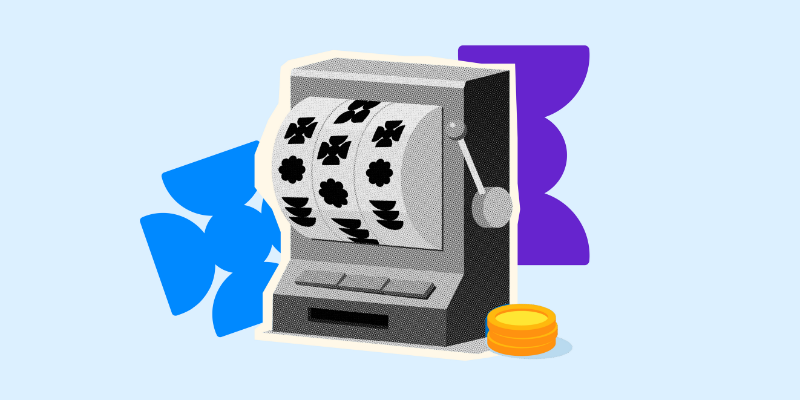
Gambling (whether it’s sports betting or lottery tickets) holds a powerful allure for many Nigerians because it promises quick wins and excitement. And while it might seem like harmless fun or even a potential income source, we know for a fact that gambling addiction can quickly spiral out of control — leading to serious financial distress, emotional turmoil, and damaged relationships. So, how can you curtail this vice?
You can stop gambling and regain control of your finances by acknowledging the problem, recognising the benefits of stopping, and looking for the right support system. Then, you can establish systems to deal with triggers, build healthy money habits and seek professional help if the habit persists.
Let’s be clear: it can be hard to stop gambling, especially if it becomes an addiction. However, there is a clear path to follow to ensure it doesn’t wreck your life and finances. This article provides eight practical tips on how to stop gambling, and we’ll focus on how taking control can help you start building wealth. Ready? Let’s start with the first tip.
1. Acknowledge and understand the problem

The first, most crucial step to beating a gambling addiction is honestly admitting that there’s a problem. After all, a gambling disorder isn’t just about losing money.
In fact, the World Health Organization (WHO) defines it by three things:
- Impaired control: Difficulty limiting time or money spent gambling.
- Increasing priority: Gambling takes precedence over work, family, hobbies, and other life interests.
- Continuation despite negative consequences: Continuing to gamble even when it causes financial, emotional, or relationship problems.
So, reflect on why you gamble.
Is it for excitement, to escape stress, due to financial hardship, peer pressure, or the chase for that elusive big win? Understanding your triggers and motivations will help you address the root cause.
2. Recognise the benefits of stopping

Quitting gambling isn’t just about avoiding losses; it’s about gaining a richer life. So, focus on the positives.
For example, you can enjoy the following if you stop gambling:
- Financial stability: Imagine redirecting the money spent on bets towards savings goals, investments, or simply having enough for essentials without worry.
- Reduced stress and anxiety: Financial worries and the secrecy often associated with gambling take a heavy emotional toll. Quitting lifts this burden.
- Improved relationships: Honesty and increased financial resources can help mend relationships strained by gambling. Plus, imagine being able to use the extra funds for social activities like raves and dates?
- More time and energy: You can use the freed-up time previously spent gambling for hobbies, family, work, or personal development.
- Better mental and physical health: Gambling is stressful — even if you’re not addicted. Reduced stress from stopping can contribute positively to your overall well-being.
Keeping these benefits in mind provides powerful motivation during challenging moments and can keep you on track.
3. Look for the right support and talk about the problem

Remember: you don’t have to face this alone. Shame and stigma often keep many people silent, but you talking about the problem is a sign of strength.
So, here’s how you can find the right support to stop gambling:
Women & Money: Adesope “Oyinademii” Ademola Is Hustling Her Way To A Cocktail Empire

- Confide in trusted individuals. Talk to a supportive family member, friend, or mentor who can offer encouragement without judgment.
- Join support groups. Consider groups like Gamblers Anonymous (GA) or similar peer support networks where you can share experiences with others facing the same challenges (virtually or in-person).
- Seek professional help. Therapists and counsellors offer structured support, and they can be invaluable if you have access to them.
Opening up is hard, but it can break the isolation and connect you with valuable resources and encouragement to beat a gambling addiction.
4. Take crucial steps to avoid gambling

Another strategy? Make gambling harder to access. The goal is to create simple “first-level” barriers that make gambling just a tiny bit harder than usual.
Here are a few steps you can take to avoid gambling completely:
- Block access to betting sites and delete your accounts. Use website blockers and app blockers to restrict access to online gambling sites and apps. You can also delete existing betting accounts.
- Identify and avoid your triggers. Recognise situations, places, people, or even emotions (like boredom or stress) that trigger the urge to gamble and make a plan to avoid them. This might mean finding new routes home to avoid betting shops or limiting time with friends who gamble heavily.
Creating physical and digital distance is essential to regaining control, especially in the early stages.

5. Set realistic financial goals to combat the gambling habit

Now let’s talk about money. Shifting your focus from gambling wins to concrete financial goals provides a positive direction for your money and mindset.
Here’s how to set financial goals to combat your gambling habit:
How to Fully Recover from a Financial Setback in Nigeria

- Create a budget. Track your income and expenses honestly. Seeing where your money actually goes is eye-opening. Allocate funds for essentials, savings, debt repayment (if any), and discretionary spending.
- Set savings goals: You can use the 50/30/20 rule to define clear, achievable goals — an emergency fund, education fees, or investment capital. Knowing what you’re saving for makes it more motivating.
- Use budgeting tools. There are numerous apps and platforms that can simplify expense tracking and allow you to plan your finances efficiently. However, we recommend trying out the Labels feature on Piggyvest if you’re unsure of where or how to start.
Remember: a budget puts you back in control and allows you to make conscious decisions about your money, rather than letting impulsive bets dictate your finances.
6. Find alternative but healthy ways to spend money

As we’ve mentioned, boredom, stress, or seeking excitement can trigger gambling urges. So, you need to find positive replacements.
Here are some healthy alternatives to gambling for you to try:
Hoping for A Miracle: The Jackpot Obsession of Nigerians

- Develop hobbies. Engage in activities you enjoy — sports, creative pursuits, learning a new skill, volunteering. You’re in charge of your life!
- Focus on your health by exercising. Exercise releases endorphins and reduces stress naturally. This can be a great way to get fitter, become stronger and keep your money far away from any gambling platform.
- Socialise differently. Connect with friends and family through activities not centred around gambling. You can try picnics, online gaming, and even long phone calls.
- Practice smart money habits. Instead of chasing losses, embrace the steady reward of saving and investing. We even recommend watching your savings grow — it’s a different kind of thrill, one based on discipline and security with zero drawbacks.
Our advice? Try out Piggyvest to build this money habit and see where it goes.
7. Deal with cravings by keeping spare money out of reach
We understand: impulse control can be challenging when cravings hit. So, it might be safer to keep easily accessible cash limited.
Here are some helpful tips for dealing with gambling cravings:
- Limit access to your funds: Avoid carrying large amounts of cash. Consider leaving your debit cards at home sometimes.
- Use tools designed to make accessing money require more effort and time, preventing impulsive decisions. Piggyvest’s Safelock can help with this. You can lock funds away for a fixed period, making them inaccessible for impulsive spending like gambling. This creates a crucial barrier between the urge and the action.
Making it harder to access money instantly may give you time to ride out the craving or seek support.

8. Seek treatment to help with the gambling problem

For many, willpower alone isn’t enough. But it may not be your fault. Gambling disorder is a recognised condition, and professional help significantly increases the chances of successful gambling addiction recovery.
Here’s how to get professional help for gambling:
- Talk to your doctor: They can provide referrals to mental health specialists.
- Visit mental health clinics or hospitals: Many offer services for addiction, including gambling disorder. You can try the Federal Neuro Psychiatric Hospital in Yaba if you live in Lagos.
- Talk to private therapists and counsellors: Look for professionals specialising in addiction treatment. Online directories or mental health organisations may list qualified practitioners in Nigeria.
- Find support groups for gamblers. While not professional treatment, groups like Gamblers Anonymous offer valuable virtual and physical peer support alongside therapy.
Remember, seeking treatment is a sign of taking your recovery seriously. So, don’t be shy to pursue professional guidance. It’s a proactive step towards lasting recovery.
Final thoughts
Stopping gambling is a journey, not an overnight fix. There might be setbacks, but each step forward brings you closer to financial freedom and peace of mind. By acknowledging the problem, seeking support, implementing practical barriers, and shifting your focus to positive goals like saving and investing, you can regain control.
Piggyvest is here to support you on this journey, and Safelock can help you build the healthy financial habits you need to secure your future.
How to stop gambling
The articles on the PiggyVest Blog are developed by seasoned writers who use original sources like authoritative websites, news articles and academic journals to perform in-depth research. An experienced editor fact-checks every piece before it is published to ensure you are always reading accurate, up-to-date and balanced content.
- World Health Organization: Gambling
- National Library of Medicine: An overview of gambling in Nigeria