Inflation is a concept that affects economies around the world, including Nigeria. In fact, it’s impossible to live, earn, spend, save or invest in the country today without experiencing its effects. But what is inflation exactly?
Inflation is the sustained increase in the general price level of goods and services over a period of time. In simpler terms, it means that the cost of living gradually becomes more expensive as time goes on.
In this guide, we’ll explore how inflation has affected Nigeria over the last few years. We’ll start by reviewing definitions and then dive into Nigeria’s inflation rate as well as the exact causes and effects of inflation in the country. Ready? Let’s go!
What is inflation exactly?
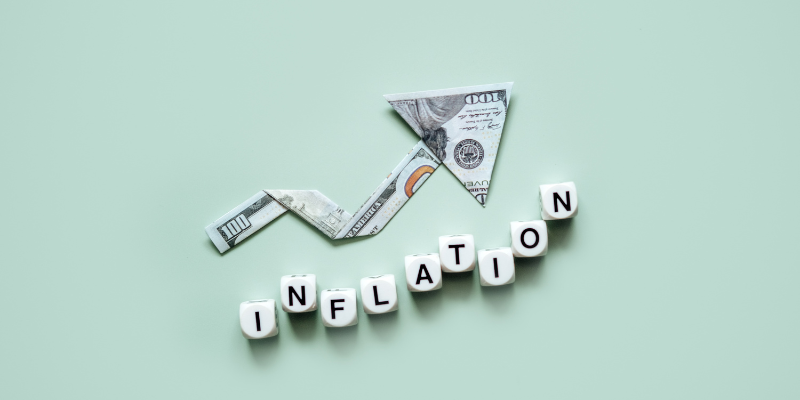
Inflation is simply a decline in the purchasing power of money. As prices of goods and services rise, the value of money decreases — meaning you’ll need more money to buy the same goods and services compared to a previous period.
This concept is already pretty easy to understand (you’ve definitely seen the effects of inflation as a Nigerian), but let’s explore a quick example.
Let’s say you bake and sell delicious puff-puffs at a local market in Ibadan. Last year, you could buy a bag of flour for ₦1,000. This year, due to various factors, the price of that same bag of flour has increased to ₦2,500. That’s inflation!
This decrease in purchasing power can significantly impact individuals, households, businesses and the overall economy. Inflation affects everyone. You can’t escape it — although you can lessen its effects on your finances and lifestyle.
We’ll explore these in later parts of this article. For now, let’s examine a core concept: headline inflation.
What is headline inflation?
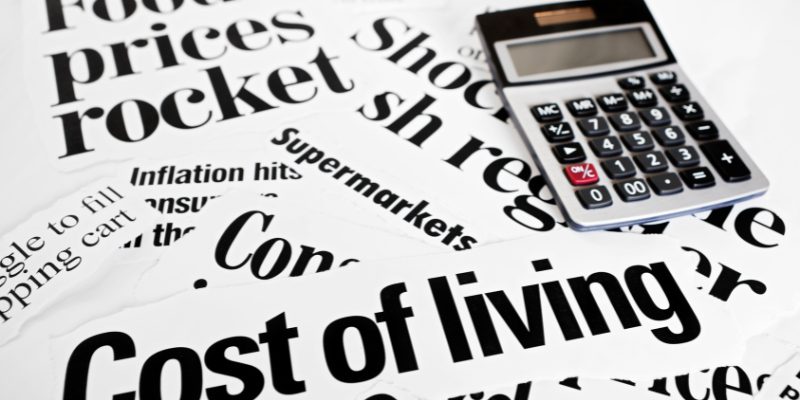
Headline inflation is a commonly used measure that represents the overall price level in an economy. It takes into account the price changes of a basket of goods and services commonly consumed by households in Nigeria (like rice, garri and bread), providing a broad perspective on inflation trends.
This measure of inflation is similar to core inflation — which excludes volatile items like food and energy prices. However, including these volatile items in headline inflation can sometimes lead to fluctuations in the reported rate, making it a more volatile measure than core inflation.
Still, headline and core inflation are essential metrics for assessing prices, the value of money, and the economy.
In fact, economists, investors and policymakers closely monitor both headline and core inflation to assess the overall health of an economy and make informed decisions regarding monetary policy and investments.
Understanding inflation as a whole is crucial for all businesses and consumers.
As a business, you can use this information to adjust your pricing strategies in response to changing inflation rates. At the same time, you (as a consumer) can make more informed decisions about your spending, saving and investment habits with the knowledge of inflation.
Headline inflation also significantly influences the formulation of government policies to stabilise prices and promote economic growth (more on this later).
What are the types of inflation?

Various types of inflation can affect a nation’s economy.
The following are the types of inflation:
- Demand-pull inflation. This occurs when aggregate demand exceeds aggregate supply, leading to increased prices.
- Cost-push inflation. This happens when the cost of production for businesses increases, forcing them to pass on the additional costs to consumers.
- Hyperinflation. This is an extreme form of inflation characterised by rapid price increases, often reaching astronomical levels.
- Built-in inflation. This type of inflation occurs when workers demand wage increases to keep up with the rising cost of living. As businesses raise wages to retain employees, they often increase prices to maintain profit margins — creating a terrible cycle of inflation.
You might remember these from your secondary school Economics class. However, these are just a few examples. Inflation can take on different forms depending on the underlying economic factors.
What are the causes of inflation in Nigeria?
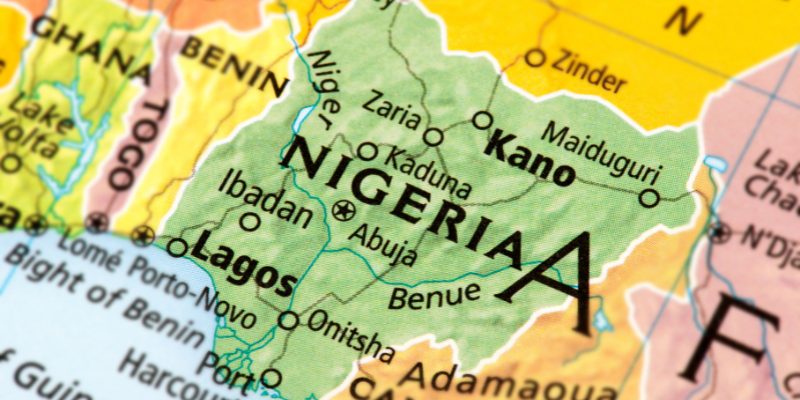
Inflation affects almost every country on earth — including superpowers like the United States of America. However, the exact cause of inflation varies from country to country.
Some of the leading causes of inflation in Nigeria include:

- Monetary factors. These include increased money supply, excessive borrowing and loose monetary policy.
- Supply-side factors. These include rising production costs, inadequate infrastructure and supply chain disruptions.
- Structural factors. These include government policies, trade imbalances and fiscal deficits.
These factors interact with each other and contribute to the rising inflation rate in Nigeria.
Aside from these, political instability and insecurity in certain regions of Nigeria also play a significant role in driving inflation. After all, unrest or uncertainty in a particular area can disrupt economic activities — leading to supply shortages and higher prices.
Moreover, fluctuations in global oil prices also directly impact inflation in Nigeria since the country heavily relies on oil exports as a major source of revenue. Any volatility in the international oil market will trickle down to the local economy, affecting prices of goods and services.
What are the effects of inflation in Nigeria?
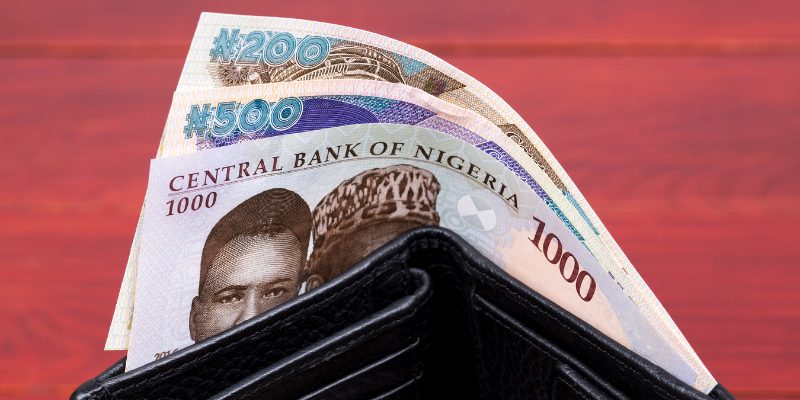
Let’s revisit the puff-puff example we mentioned earlier. As the price of flour goes up, it costs more to make each puff-puff. However, inflation affects more than just you (and your puff-puff). It touches every part of the country.
The following are some of the top effects of inflation in Nigeria:
- Eroding purchasing power. As prices rise, the purchasing power of individuals and households decreases — making it harder to afford essential goods and services (like food, internet and transportation).
- Reduced savings. Inflation can erode the value of savings over time, discouraging individuals from saving and potentially disrupting future financial security.
- Uncertainty. High inflation rates can create economic uncertainty, making it difficult for businesses and individuals to plan and make investment decisions.
These effects show how much of an impact inflation has on the well-being of all Nigerians — from students to salarymen.
But it’s not all bad. Inflation can significantly impact interest rates in a country. High inflation rates often lead to higher interest rates as lenders (for example, banks) seek to compensate for the decreased purchasing power of money over time.
We saw this situation play out when the Central Bank of Nigeria (CBN) increased the monetary policy rate (MPR) to 26.25% in May 2024. This change led to banks and fintechs like PiggyVest increasing interest rates across the board.
Unfortunately, while this act can benefit savers and investors, it can also make borrowing more expensive — potentially slowing down economic growth and investment in the country.

How does inflation affect you?

Inflation majorly affects savings and purchasing power. When inflation is high (as it is now), the naira loses value. Therefore, the things you used to buy with ₦1,000 today might cost ₦3,000 or even more next year. This can make it difficult to afford necessities.
Here are some specific examples:
- Food prices. We’ve seen a significant increase in food prices recently. A kilo of rice that was ₦506.17 in 2022 now costs more than ₦1,000 in 2025.
- Transportation. Bus fares and fuel costs have also increased, making getting around more expensive. Therefore, a trip that used to cost, say, ₦2,000 might now be ₦4,000 (or even more!).
There’s no running from the effects of inflation. However, there are some ways to lessen its impact on your finances. One surefire method is saving in high-yield savings accounts like PiggyVest.
With returns of up to 22% on Naira savings and 7% on Dollar savings, you can stay a step ahead of inflation and protect your finances from its ravenous effects.
What is Nigeria’s current inflation rate?

According to the Central Bank of Nigeria (CBN), Nigeria’s inflation rate stood at 34.8% as of December 2024 (compared to 28.92% in December 2023). This rate represents the annual change (increase) in prices of goods and services in the country and is one of the most crucial indicators of economic growth.
So, what exactly does the inflation rate mean?
Let’s say a loaf of bread cost ₦1,000 a year ago. Today, due to inflation, the same loaf of bread costs ₦1,348. This unfortunate increase in bread prices (as well as general prices of goods and services) means that your ₦1,000 today buys less than it did a year ago. 34.8% less.
In other words, inflation has eroded your purchasing power if you’re in Nigeria.
What happens when inflation gets too high?

Inflation alone can be problematic, but what happens when it gets too high? Let’s say Nigeria’s inflation rate reaches 1,000%. The short answer is that it’ll decimate the nation’s economy. Let’s explore the longer answer below.
High inflation can lead to:

- Hyperinflation. In extreme cases, high and accelerating inflation can spiral out of control and result in hyperinflation. In this situation, prices of goods and prices will keep rising and rising until the nation’s currency loses all value (think $1 to ₦1,000,000,000 — like what happened with Zimbabwe)
- Reduced purchasing power. With rapidly rising prices, individuals and households may struggle to afford necessities, leading to a total decline in living standards. Imagine being unable to eat because a loaf of bread costs ₦400,000.
- Market distortions. High inflation can also distort market behaviour, causing misallocations of resources and hindering economic growth.
These outcomes might seem scary (and they are!), but effective monetary and fiscal policies can prevent inflation from reaching unsustainable levels.
Can inflation be zero?

In theory, inflation can be zero, but it’s rarely or never achieved in practice. A zero inflation rate indicates price stability — where the average price levels of goods and services remain constant over time.
However, various factors can (and should) influence prices in a dynamic and healthy economy (especially demand and supply). Therefore, it’s challenging to maintain a sustained period of zero inflation.
All a country can strive for is a situation where inflation is low, reasonably constant and manageable.
Is inflation permanent?
Inflation isn’t necessarily permanent. It can be temporary, moderate or persistent — depending on the underlying factors driving it. Inflation may also be transitory and decrease over time as the economy adjusts.
However, it can also become entrenched and persistently high — posing challenges for policymakers to control.
How to control inflation

As we mentioned, various factors drive inflation in Nigeria — including government policies, exchange rates and global economic trends. However, the Central Bank of Nigeria is essential in monitoring and managing inflation through its monetary and fiscal policies. After all, high inflation can lead to economic challenges for individuals, businesses and even the government.
Some measures that can help manage inflation include:
- Tightening monetary policy. This involves reducing the money supply, increasing interest rates and implementing policies that promote responsible lending and borrowing.
- Fiscal discipline. Governments can control inflation by ensuring a responsible budgetary policy, avoiding excessive borrowing and properly managing public finances.
- Promoting competition. Encouraging market competition can help reduce prices and prevent monopolistic behaviour that can lead to price increases.
- Supply-side reforms. Investing in infrastructure, improving productivity, and addressing structural bottlenecks can help increase supply and reduce inflationary pressures.
Ultimately, the only way to control inflation is for the government to address its root causes. Therefore, policymakers can only manage the problem effectively after analysing inflation data.
This way, they can adjust interest rates, implement stimulus measures or take other actions to maintain price stability and support overall economic health. This delicate balance between controlling inflation and promoting economic growth is a key consideration for financial authorities worldwide.
What is the difference between inflation and recession?
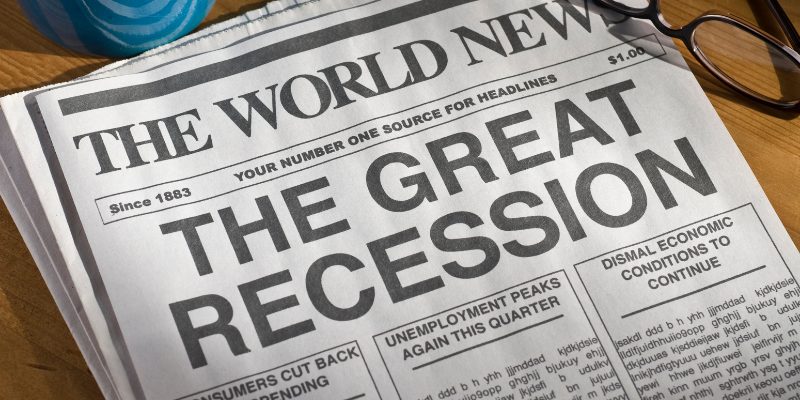
While inflation and recession can coexist, they represent different aspects of an economy’s performance. Inflation is the sustained increase in the general price level of goods and services. It erodes the purchasing power of money and can affect the economy as well as society.
A recession, on the other hand, is a significant decline in economic activity — often accompanied by a contraction in output, rising unemployment and decreased consumer spending. It’s characterised by a negative economic growth rate over a sustained period.
Can inflation lead to a recession?

Inflation can contribute to a recession. If it is high and accelerating, it can create an environment of economic uncertainty, leading to reduced consumer spending, low levels of investment, and a halt to overall economic activity.
Additionally, if inflation leads to a loss of purchasing power and decreased consumer confidence, it can amplify the economic downturn and contribute to a recessionary environment.
Conclusion
Inflation is a critical economic concept that impacts individuals, businesses and entire economies. In Nigeria, the rising inflation rate has significant implications for the population’s well-being and financial stability. Understanding the causes, effects, and measures to control inflation is crucial for policymakers and citizens alike.
The articles on the PiggyVest Blog are developed by seasoned writers who use original sources like authoritative websites, news articles and academic journals to perform in-depth research. An experienced editor fact-checks every piece before it is published to ensure you are always reading accurate, up-to-date and balanced content.
- US Energy Information Administration: Oil and petroleum products explained
- American Economic Association: Forty Years of Oil Price Fluctuations: Why the Price of Oil May Still Surprise Us
- Taylor & Francis: What is inflation?