Fuel prices and fuel subsidies have been hot topics for years — way before the fuel subsidy removal protests of 2012. However, these conversations have become even more popular lately — thanks to President Bola Tinubu’s move to completely remove fuel subsidies in Nigeria as well as soaring petrol prices. But what is subsidy removal exactly?
Subsidy removal is the process of cutting off government funding to a company, industry or public service (like fuel or education) to save resources or redirect funds to other causes.
In this article, we’ll explore how subsidies work and learn why governments remove them. Then, we’ll examine how it could impact your finances and share tips on how to thrive even when a subsidy doesn’t exist. But first, what exactly is a subsidy?
What exactly is a subsidy?

A subsidy is a financial assistance provided by the government to lower the price of goods and services. This support encourages the consumption or production of specific items (like petrol and education) that are often deemed crucial for the economy or society.
Subsidies can take various forms — including direct cash payments, tax relief or price controls. However, all subsidies exist to ensure the affordability and accessibility of essential commodities. The primary intention is to shield consumers from market fluctuations and to provide a safety net for the vulnerable population.
How do subsidies work?

Let’s illustrate using petrol (Premium Motor Spirit or PMS). Refined fuel isn’t cheap — thanks to astronomical production costs, heavy importation fees, and the state of the Naira.
Until 2023, the government used price controls to keep the cost of local petrol at an average of ₦254.06 per litre (compared to an average of ₦1030.46 per litre as of September 2024). In other words, the Nigerian government set a lower local market price for the product and then used the country’s resources to pay the difference.
This meant that Nigerians could access cheap petrol, which had a trickle-down effect on transportation, food and inflation.
Are subsidies good or bad?

Subsidies (when implemented correctly) lower the prices of essential goods and give regular Nigerians access to more disposable income while promoting socio-economic stability.
But when subsidies are used as an economic band-aid, they can lead to market inefficiencies. By distorting prices, subsidies may result in overconsumption or overproduction of certain goods — challenging the market’s natural equilibrium.
MPR dropped to 27%: Here’s what that means for your money

That’s why in addition to essential commodities, many governments aim to direct subsidies towards sectors that are critical for national development (like renewable energy and agriculture) — like the Nigerian government promised to do after cutting fuel subsidies in May 2023.
For instance, countries around the globe offer financial incentives to farmers to adopt sustainable practices or to invest in technology that increases crop yields. This not only helps secure food supply but also aligns with environmental goals — promoting a greener economy.
In fact, such targeted subsidies can stimulate innovation and encourage industries to shift towards more sustainable practices, ultimately benefiting both the economy and the environment.
How does subsidy removal work?

Subsidy removal typically involves the systematic withdrawal of financial support offered by the government. This process is often gradual, allowing both producers and consumers to adjust to the new economic landscape. Governments may announce subsidy cuts as part of broader economic reforms aimed at stabilising the economy.
The removal can affect various sectors depending on the focus of the subsidy.
What Is Inflation? An Overview Of The Rising Inflation Rate In Nigeria

For example, a government might cut fuel subsidies — which would lead to an increase in fuel prices. Consequently, this change can have a cascading effect on transportation costs, which in turn influences the cost of goods and services.
Effective communication during this process is crucial to minimise frustration among the populace. Governments may implement complementary measures (like social assistance programmes) to mitigate the adverse effects on low-income households.
Why do governments remove subsidies?

There’s a reason for subsidy removals. While it might seem like a cruel practice, especially when done without notice, all governments remove subsidies for one or more reasons.
Here’s why a country may choose to remove subsidies:
How To Protect Your Money From Inflation In Nigeria

- They want to practise economic sustainability. Subsidies can burden national budgets, leading to increased public debt. Fiscal consolidation (a strategy to reduce a country’s debt) often means cutting non-essential expenditures — including subsidies.
- They want to promote market efficiency. By allowing prices to reflect true market conditions, governments can encourage competition and innovation. Removing subsidies may lead to a fairer market environment, fostering long-term growth.
- They seek to align their policies with international obligations or commitments. For instance, adherence to guidelines set by international financial institutions — like the International Monetary Fund (IMF) — could compel a nation to reconsider its subsidy system.
Is subsidy removal a problem?

While subsidy removal can lead to several advantages, it is not without its challenges.
Here are some of the challenges with subsidy removal:
- Higher prices from removal can result in increased poverty levels. Many households depend on subsidised goods, and abrupt changes can lead to significant hardship.
- Many may perceive subsidy removal as an assault on their livelihoods. This public discontent can manifest in protests or political backlash — complicating the government’s ability to manage the transition effectively.
- Following removal, there is a potential for inflation. Subsidy removal can exacerbate economic vulnerability, particularly in a fragile economic setting like Nigeria.
So, what’s the way forward in the case of subsidy removal, as we’ve seen in Nigeria?
How to grow wealth in a post-subsidy Nigeria
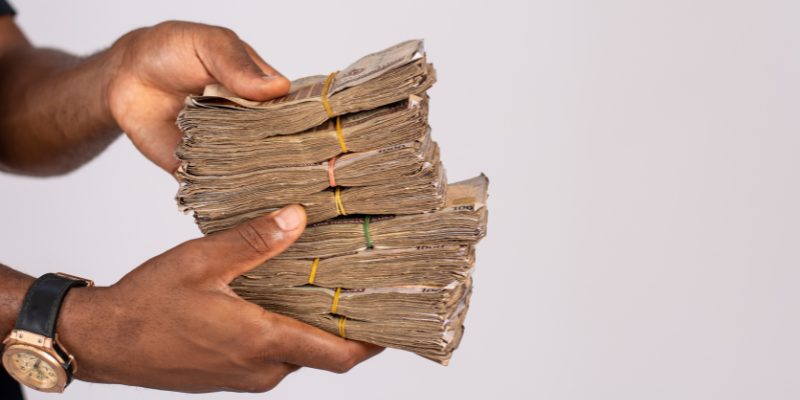
Subsidy removal can result in tangible shifts in monthly expenses — as we saw in the 2024 PiggyVest Savings Report. However, since essential goods like fuel and food may take a larger proportion of household income, avoiding a tighter financial situation is almost impossible. But there’s still hope.
Here are some tips for growing wealth in a post-subsidy Nigeria:
- Reassess your finances. You may need to consider alternative solutions to manage your budgets effectively — like adopting more sustainable consumption habits or reducing expenses in other areas.
- Develop financial literacy. Start by learning about everything that affects your finances. Understand investment opportunities, learn how risk works, and delve into the impact of market environments. Be intentional about being knowledgeable.
- Be religious about saving. We won’t sugarcoat it: saving is one of the most important things you can do to grow wealth — regardless of what anyone tells you. And if you use PiggyVest, you can earn up to 20% yearly interest on your funds!
- Diversify your income streams. This may entail exploring entrepreneurship or investments that yield passive income (such as real estate or stocks). Diversification will ensure you’re protected on multiple fronts and always have disposable income.
- Be mindful of your spending habits. You must cultivate flexibility and resilience — save shamelessly, spend purposefully and avoid wastage. This will allow you to pivot and take advantage of emerging opportunities in a shifting economic landscape.
It might seem like a difficult proposition, but with these four strategies, you can build the foundation for growing your wealth in today’s Nigeria. And you don’t have to do it alone! With PiggyVest, you can supercharge your finances and grow your money here in Nigeria — thanks to six savings plans and our low-risk investment opportunities.
Takeaways
Subsidy removal is a profound economic shift that bears both challenges and opportunities. While the immediate impacts on affordability and social stability can be disconcerting, effective management and strategic financial planning can lead to long-term benefits.
The articles on the PiggyVest Blog are developed by seasoned writers who use original sources like authoritative websites, news articles and academic journals to perform in-depth research. An experienced editor fact-checks every piece before it is published to ensure you are always reading accurate, up-to-date and balanced content.
- Global Nonviolent Action Database: Nigerians Protest Removal of Fuel Subsidy, 2012
- International Monetary Fund: Subsidy Wars
- Elsevier: Who benefit most from fuel subsidies? Evidence from Nigeria