Most people don’t know this, but when you open your first bank account, you’re automatically assigned an “account manager.” Your account manager has many responsibilities, one of which is to serve as your “financial advisor” — helping you get the best returns on your savings through incentives like interest, fixed deposits and other services your bank offers.
It might seem a little like overkill to have someone try to offer you financial advice when you have just opened your first account, but your bank provides you with this professional because they know it’s essential that you have someone to help you build good financial habits no matter how little money you have. After all, money “grows” when you tend to it properly.
A financial advisor is a professional who provides various clients with guidance and advice on money-related matters. They help individuals and organisations manage their finances, make investment decisions, set financial goals and plan for the future.
The best way to think of financial advisors is as wealth partners who can help you make the most of your money. They typically have a deep understanding of financial markets, investment strategies and tax laws — and they use that knowledge to help you make informed decisions based on your unique financial circumstances. In this article, we’ll tell you everything you need to know about financial advisors.
What does a financial advisor do?
Financial advisors help people navigate their complex and unique financial situations — regardless of who they are or how much they earn. They typically accomplish this task by providing personalised guidance and recommendations tailored to each client’s needs and goals.
Here are some of the specific duties of a financial advisor:
- Analysing investment opportunities.
- Debt management.
- Developing a comprehensive financial plan.
- Managing and monitoring investment portfolios.
- Minimising tax liabilities.
- Providing ongoing financial education and support.
This list is non-exhaustive, of course, but it does cover the primary responsibilities a financial advisor might handle.
How could a financial advisor help you?

Financial advisors are indispensable partners in all money matters. Therefore, they can help you if you’re running a small business, building the next PiggyVest or simply figuring out your personal finances.
But to illustrate exactly what they do, let’s imagine you own a thriving food business like Food Court. A venture of this size means excellent profits. However, it also means you must consider concepts like taxes and tax planning strategies to minimise your tax liabilities while maximising your savings and investments.
That’s a lot of work to combine with your business, especially if you’re not well-versed in financial matters like Kalu Aja. A financial advisor can help you navigate the complex landscape of tax laws and regulations, ensuring you take full advantage of any available tax benefits and credits.
But what if you’re a salaryman looking to create a comprehensive money plan to protect your assets and provide for your loved ones in the future?
A financial advisor can offer valuable insights and assistance — particularly with estate planning, a process that involves a range of considerations (including wills, trusts and beneficiary designations). But beyond that, they can also help you develop a customised plan that aligns with your wishes and long-term financial objectives — even if you live to see the year 2524.
How To Set Financial Goals For A New Year: 7 Tips To Save Better In 2026

How do financial advisors work?
The relationship between a financial advisor and their client is important — similar to what you might have with your doctor. But where a doctor provides physical and mental care, a financial advisor takes care of your Naira (and Dollars!).
Therefore, if you hire one, they will start by thoroughly assessing your current financial situation. This assessment typically involves gathering information about your expenses, assets, income and liabilities — as well as your financial goals. By understanding these essential details, your financial advisor can create a customised plan that addresses your unique circumstances and aspirations.
But engaging a financial advisor isn’t a one-off affair.
A skilled financial advisor will stay abreast of the latest market trends, economic developments and regulatory changes that may impact your financial well-being in any way. Armed with this information, they’ll continuously monitor the performance of your investments and make adjustments as needed to ensure your financial reality aligns with their long-term objectives.
What are the necessary skills of a financial advisor?

A financial advisor should have a background in economics, finance, accounting or a similar field. But beyond these qualifications, these professionals must also have diverse skills.
The necessary skills of a financial advisor include the following:
How to Fully Recover from a Financial Setback in Nigeria

- Strong analytical skills to assess financial situations and identify investment opportunities.
- Effective communication skills for building trust, explaining complex financial concepts, and clearly conveying recommendations to clients.
- Exceptional interpersonal skills to establish and maintain long-term relationships with their clients based on trust and mutual respect.
- A deep understanding of financial markets and trends.
- Strong problem-solving skills.
- The ability to adapt to changing circumstances and market conditions to help clients navigate through various financial challenges and opportunities.
- The ability to think critically and creatively to develop customised financial solutions that meet each client’s unique needs and goals.
Beyond these, a financial advisor must stay informed about the ever-changing landscape of investments, financial regulations and economic indicators to provide up-to-date and relevant advice to clients. As you’d expect, developing this skill requires a continuous commitment to professional development and staying ahead of industry trends.

How do you know if a financial advisor is good?
When selecting a financial advisor, you must take the time to evaluate their credentials. Your money is important, so the professional you work with must have a track record proving they’re genuinely qualified and trustworthy.
Look for advisors with relevant professional certifications — like Certified Financial Planner (CFP) or Chartered Financial Analyst (CFA) — and consider researching their professional background, including disciplinary actions or complaints.
Of course, there’s nothing quite like a word-of-mouth recommendation. So, reading client testimonials and reviews can also provide insight into the quality of service offered by a particular advisor. Remember to trust your instincts and choose an advisor who demonstrates integrity, transparency and a genuine commitment to helping you achieve your financial goals.
What should you avoid in a financial advisor?
While finding a reliable financial advisor is crucial, it is equally important to be aware of red flags and avoid advisors who may not have your best interests at heart. Be cautious of advisors who make unrealistic promises or guarantees regarding investment returns, as no advisor can predict or control market performance.
Additionally, beware of professionals who earn commissions from selling specific financial products since this may create conflicts of interest. Always prioritise working with an advisor who is transparent about their compensation structure and puts your financial well-being first.
How To Stop Gambling: 8 Practical Tips For Regaining Control And Saving Money

Where can you find a financial advisor in Nigeria?
Finding (and hiring) a financial advisor for yourself or your business is a big deal. Therefore, we recommend approaching this affair with the same careful and professional mindset as your savings or any money-related dealing.
You can find financial advisors in Nigeria through various channels, including:
- Financial planning and advisory firms: Many established financial planning firms in Nigeria (like KPMG and PwC) offer qualified advisory services. These firms often have a team of professionals with expertise in different areas of finance — including investment management, retirement planning and wealth preservation.
- Banks and financial institutions: Some banks and financial institutions have dedicated wealth management divisions that provide advisory services to clients. These divisions may offer personalised assistance tailored to your needs and money goals.
- Independent financial advisors: Independent advisors operate outside large firms and offer services focusing on individual client needs. They often work on a fee-for-service basis or charge a percentage of assets under management.
- Online platforms: You can find financial advisors on several online platforms and marketplaces — including Upwork, Fiverr and LinkedIn.
- Referrals: You can ask friends, family members or colleagues for referrals. This method can be a valuable way to find a trustworthy financial advisor since personal recommendations can provide insights into an advisor’s reputation, professionalism and ability to meet your needs.
- Regulatory bodies: Regulatory bodies such as the Securities and Exchange Commission, Nigeria (SEC) maintain lists of registered investment advisors and financial planners. You can check with these organisations to help find professionals or verify potential advisors’ credentials and regulatory standing.
- Seminars and workshops: Attending financial seminars and conferences can be another way to connect with financial advisors. These events often feature presentations from industry experts who may offer valuable insights and networking opportunities.
We at PiggyVest are wholly committed to ensuring you build tomorrow’s wealth today, so we have an excellent option for you to explore if you want to get a feel of what a financial advisor does.
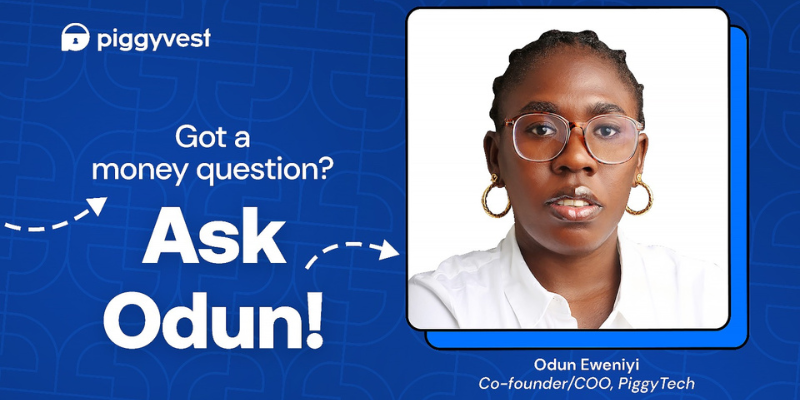
If you’re subscribed to the Money Matters by PiggyVest newsletter, you can also talk to Odunayo Eweniyi, COO and co-founder of Piggytech. From savings questions to investment advice, Odunayo will give it you straight in our “Ask Odun” column — for free.
Can you use ChatGPT as a financial advisor?

While ChatGPT and other LLM-powered chatbots can provide helpful information and engage in conversations about financial topics, they can’t replace the expertise and personalised advice you’ll find in a human financial advisor.
ChatGPT does not have access to real-time financial data, cannot consider your unique financial circumstances and may be unable to provide personalised recommendations or develop comprehensive financial plans. Therefore, we recommend you consult a qualified human financial advisor who can provide reliable and customised guidance for complex financial matters.
Final thoughts
While many Nigerians can manage their finances alone, you might benefit from professional guidance if you have complex needs. Now, if you do have complex financial needs, you must take the time to find the right advisor who operates under a fiduciary standard (they prioritise your needs and align with your goals).
Ultimately, this step can be a prudent investment in your financial future.
The articles on the PiggyVest Blog are developed by seasoned writers who use original sources like authoritative websites, news articles and academic journals to perform in-depth research. An experienced editor fact-checks every piece before it is published to ensure you are always reading accurate, up-to-date and balanced content.
- Springer Link: Robo-Advisory: Digitalization and Automation of Financial Advisory
- Springer Link: Robo-Advisory: Opportunities and Risks for the Future of Financial Advisory