Think of how many times you’ve told yourself that this is the month you start saving. Then, your motivation or funds suddenly disappear. Many Nigerians want to prioritise building a strong financial buffer against unexpected occurrences, and know it is extremely important to have funds stowed away for unforeseen circumstances.
But to be fair, there are a multitude of factors that make it hard to save money in Nigeria. From soaring inflation to increasing living costs, saving money in this economy has become increasingly hard for the average person.
Top Reasons Nigerians Find It Difficult To Save
Let’s face it—the times are hard. Talk to the average Nigerian about saving, and they will remind you how expensive things have become. So, if you constantly ask yourself, “Why is it so difficult for me to save?” You’re not alone. We’re here to help you get to the bottom of it.

We’ve highlighted some reasons why you may find it hard to save money in today’s Nigeria.
Your mindset
Many people find saving pointless, especially during an economic downturn. Saving money can be hard to justify when your buying power is constantly decreasing. However, Piggyvest’s high-yield savings accounts (HYSA) allow you to save money and hedge against inflation.
You rely on willpower over budgeting
You have money goals, don’t you? Well, if you’re going to meet them, vibes won’t cut it; you need to take your financial planning seriously. And budgeting —one of the most important aspects of a financial plan—is the best way to track your money and reach your financial goals. If you want to make your Naira last, there’s no better time to start budgeting.
You treat your budget like a joke
Are you the kind of person who says “I’m on a budget” only as an excuse to avoid doing something you don’t like, but then splurges on things outside of said budget? If your budget could speak, would you like the things it had to say? Probably not.
Listen, budgeting only works if you adhere to it. Don’t let your finances spiral out of control. Having basic money management skills can be extremely rewarding.

You spend before saving.
You want to know why your money finishes quickly? It’s because you spend first, before you save. One foolproof saving hack is saving first before disbursing any funds for regular monthly expenses. It’s what we at Piggyvest like to call “Paying yourself first.” So, keep this in mind when creating next month’s budget. You’re welcome.
Oblee lifestyle
We all love a good outing. But saying yes to every Owambe invite, popping bottles every Friday, or having brunch dates twice a week will leave you in the red fast. There’s nothing wrong with having a fun time, but if you want to meet your money goals, make smart choices. Plan ahead and save for important events, and say no if you can’t afford to attend.
Inflation!
One day, you’re a fitness enthusiast meticulously counting your macros, and the next, you’re counting pennies. From consuming nine eggs daily to meet your daily protein requirements, to googling budget-friendly protein alternatives as the price of eggs has quadrupled. Inflation (especially food inflation) has Nigerians in a chokehold.
Even with a good salary, saving in Nigeria is slowly becoming a privilege. But it remains necessary whether you’re trying to build an emergency fund or save up for future purchases.

Your income just isn’t enough
For many Nigerian daily and minimum wage earners, there truly isn’t enough to make ends meet. It’s hard to save money when there’s barely enough to eat. Sad, but true.
You’re a compulsive shopper
Maybe you’re the kind of person who falls for flash sales and online discounts. And your algorithm is a cocktail of lifestyle content and carefully disguised ads. If you find that you’re extremely susceptible to spending too much online, then trick your brain using the 30-day Savings Rule. If you’re still itching to make the purchase after thirty days, then maybe you can afford it.
Black tax
If you belong to the Nigerian Sandwich Generation, you know all too well how black tax can impact your finances. Today, your son needs urgent 2k, and tomorrow the roof of your parents’ home is leaking; these expenses can drain your funds faster than a brand-new generator guzzles fuel. It can be hard to save money when you’re the sole provider for your family, but setting healthy boundaries is crucial to keep your head above water.
Too many unexpected surprises
Emergencies. Emergencies. Why does it rain immediately after you start putting away rainy day funds? Car troubles, leaking pipes, more urgent 2k requests — it never ends. It’s extremely hard to save money amid unending emergencies. This is why you must consistently work on building an emergency fund, as it will always remain your safest bet to navigate times like this. So even when you have to dip into these funds, keep saving.
Lifestyle creep
Lifestyle inflation is the increased spending that happens when an individual’s income increases. And it’s not uncommon or out of place. A degree of lifestyle adjustment is inevitable as one grows in life, but ensuring that your savings and investments are growing proportionately keeps you from falling on hard times in the future.
You haven’t automated your savings
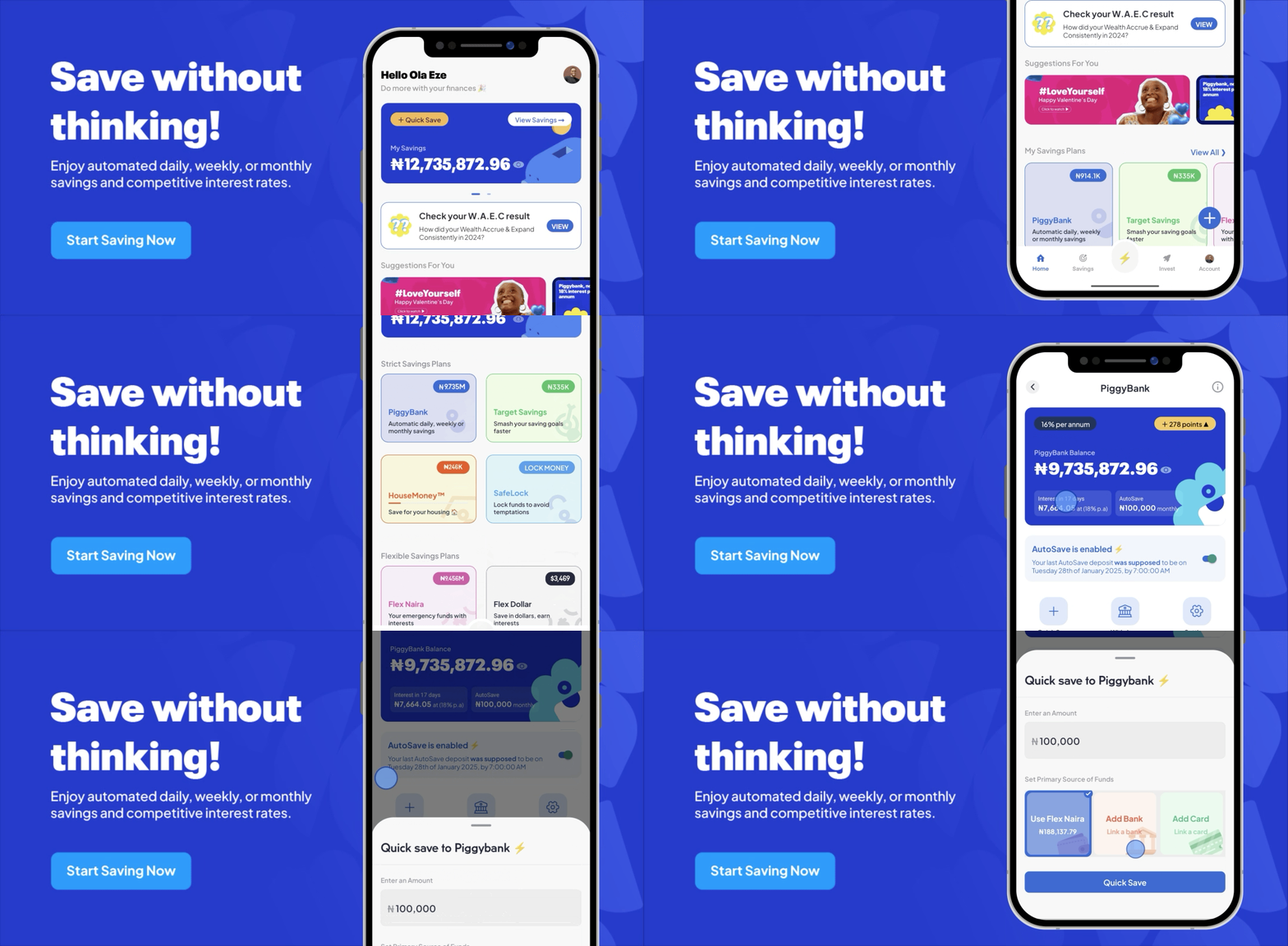
Having to manually save every single time can be mentally exhausting and stressful. And sometimes you genuinely just forget to save. Piggyvest’s Autosave feature fixes this problem; you can save a specific amount daily, weekly, or monthly, without lifting a finger. We already have so much to deal with as Nigerians, and automating your savings gives you one less thing to worry about.
Keeping up with the Joneses
Comparison is the thief of joy. The need to keep up with the affluence of peers or a perceived “lifestyle” is a major reason why some Nigerians find it hard to save money. Our society places a high value on wealth, and this mentality of keeping up appearances can hinder saving efforts.
FOMO
We’re in the social media age. Seeing others enjoy trips, restaurants, shopping sprees, expensive gifts, and the latest gadgets can drive you insane with FOMO. The fear of missing out can lead you to spend more than you should, jeopardising your savings goals.
9 Highly Effective Saving Tips For Nigerians
Now that you understand the possible reasons why you’re finding it hard to save money, it’s time to turn things around. Remember that there’s no amount too small to save. It’s the small savings that add up over time.
There’s no one-size-fits-all way to build a savings culture. You just need to figure out what combination of strategies works best for your lifestyle. Below are a few techniques that you can employ to make saving money easier.


1. Budgeting and Expense Tracking
To start saving money effectively, you should gain clarity on where your money goes. Start by creating a simple budget, and make adjustments as you go. Tracking your income and expenses helps you find ways to spend less and save more.
2. Build an Emergency Fund
Aim to set aside three to six months of income in a readily available savings account like your Flex Naira wallet. An emergency fund will help you navigate unexpected expenses and prevent you from accumulating debt.

3. Set financial goals
Setting financial goals will give you a sense of direction and motivation for saving. With realistic and SMART (specific, measurable, achievable, relevant and time-bound) goals, saving money wouldn’t be as difficult anymore.
4. Automate savings
To make savings easier and stay on top of your savings goal, automate your savings on payday. With Piggyvest’s Autosave, you can save specific amounts daily, weekly or monthly, while earning great interest. Piggyvest users know it isn’t that hard to save money.
5. Mindful spending
Mindful spending involves interrogating your spending habits and being honest about what constitutes wants and needs. Before making any purchasing decisions, ask yourself, “Is this a want, or a need?”
6. Resist consumer culture
Resist the underlying pressure to keep acquiring stuff. Nice things are cool, but seeking joy in the simple things and experiences, or focusing on non-material or inexpensive sources of happiness, will reduce your spending and improve the quality of your life.
7. Delay gratification
The 30-day savings rule helps you reduce overspending and understand your priorities. Give yourself a mandatory thirty-day waiting period before making non-essential purchases. If you change your mind within this time, that means more money in your savings.
8. Educate yourself
Invest in financial education. Take the time to understand the basics of personal finance: income, savings, investing, budgeting, and spending. This knowledge will help you make informed financial decisions and achieve financial freedom faster.
9. Go easy on yourself
Building a financial safety net doesn’t happen overnight. It requires time, effort and discipline. So just focus on building consistency and good money habits, and everything else will fall into place.