Achieving financial freedom as a Nigerian can feel like an uphill climb, but learning how to maximise your financial resources might just be the secret sauce. In economically uncertain times like these, taking control of your finances can help alleviate stress and improve the quality of your life.
This guide will explain disposable income and how to calculate it. We’ll also share smart budgeting, spending, and saving tips for Nigerians and how this knowledge can significantly improve your financial health.
What is disposable income?
Disposable income is the money you have left after paying your taxes and other mandatory financial obligations.
As a salary earner, your disposable income — also called net income — is your “take-home pay” or “spendable income.” This is the amount left over after all payroll deductions. You can spend it on your wants, needs, savings, investments, or black tax.
For entrepreneurs, it is the amount of money left after you’ve paid your legally mandated contributions and taxes.
How to calculate your disposable income in Nigeria
To find your disposable income, deduct all your mandatory deductions from your gross income.

A simple formula is:
Disposable income = Gross income – Total mandatory deductions
Say your gross monthly income is ₦300,000, your tax is ₦40,000, and your pension contribution is ₦20,000. The money left after these deductions (net pay) is ₦240,000. This is how much disposable income you have monthly.
How Babajide Duroshola Built a Career by Following the Money

Why is understanding disposable income important?
Understanding disposable income is crucial for effective financial management and planning. It lets you know the funds available for both essential and non-essential spending. Understanding disposable income is a vital step towards improving your financial well-being.
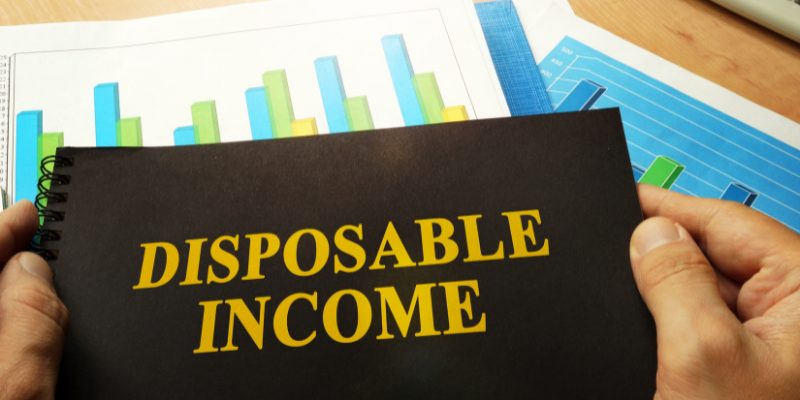
Disposable income is a key indicator of how healthy your finances are. It tells you how much money you truly have to spend or save. On a larger scale, economists also use it to gauge the overall health of the economy. If people have more disposable income, they’re more likely to spend, which boosts economic activity. Some other reasons why it is essential to understand your disposable income are as follows:
- Standard of living: More disposable income gives you access to the finer things. You can treat yourself every now and then, get quality accommodation, pursue hobbies and passion projects, and travel—do more of what gives you joy. The higher your take-home pay, the more comfortably you can live.
- Financial freedom: Having some disposable income gives you the freedom to choose. A higher net income relieves financial stress, takes you out of survival mode and allows you to make plans. You can take care of today’s needs while also setting money aside for future goals.
- Saving and investing: More disposable income means you can create a bigger financial safety net for yourself by saving for emergencies or future goals like retirement.
- Economic growth: Believe it or not, when you spend, you bolster the economy. Consumer spending is one of the biggest drivers of economic growth. Supporting local businesses helps create jobs, so the more you spend on products and services, the better the country’s macroeconomic outlook.
How to manage disposable income: A guide to budgeting, spending and saving smart in Nigeria
Your disposable income is yours to do as you please. And you’ll probably spend most of it on essentials and other living expenses. However, in economic times marked by skyrocketing inflation, unstable fx rates, and unbearable living costs, learning how to manage your disposable income is an absolute game-changer.

Here are 11 smart and intentional ways to use your disposable income:
1. Emergency savings:
Life is full of surprises, some not so pleasant. Having an emergency fund gives you peace of mind, whether it’s unexpected medical bills, a job loss, or urgent repairs.
Aim to save at least 3–6 months’ living expenses in an accessible savings account like Piggyvest’s Flex Naira. You also earn up to 12% interest annually on your savings. Your interest is paid monthly, provided there are no more than four withdrawals in that month.
Women & Money: Adesope “Oyinademii” Ademola Is Hustling Her Way To A Cocktail Empire

2. Goal-oriented savings:
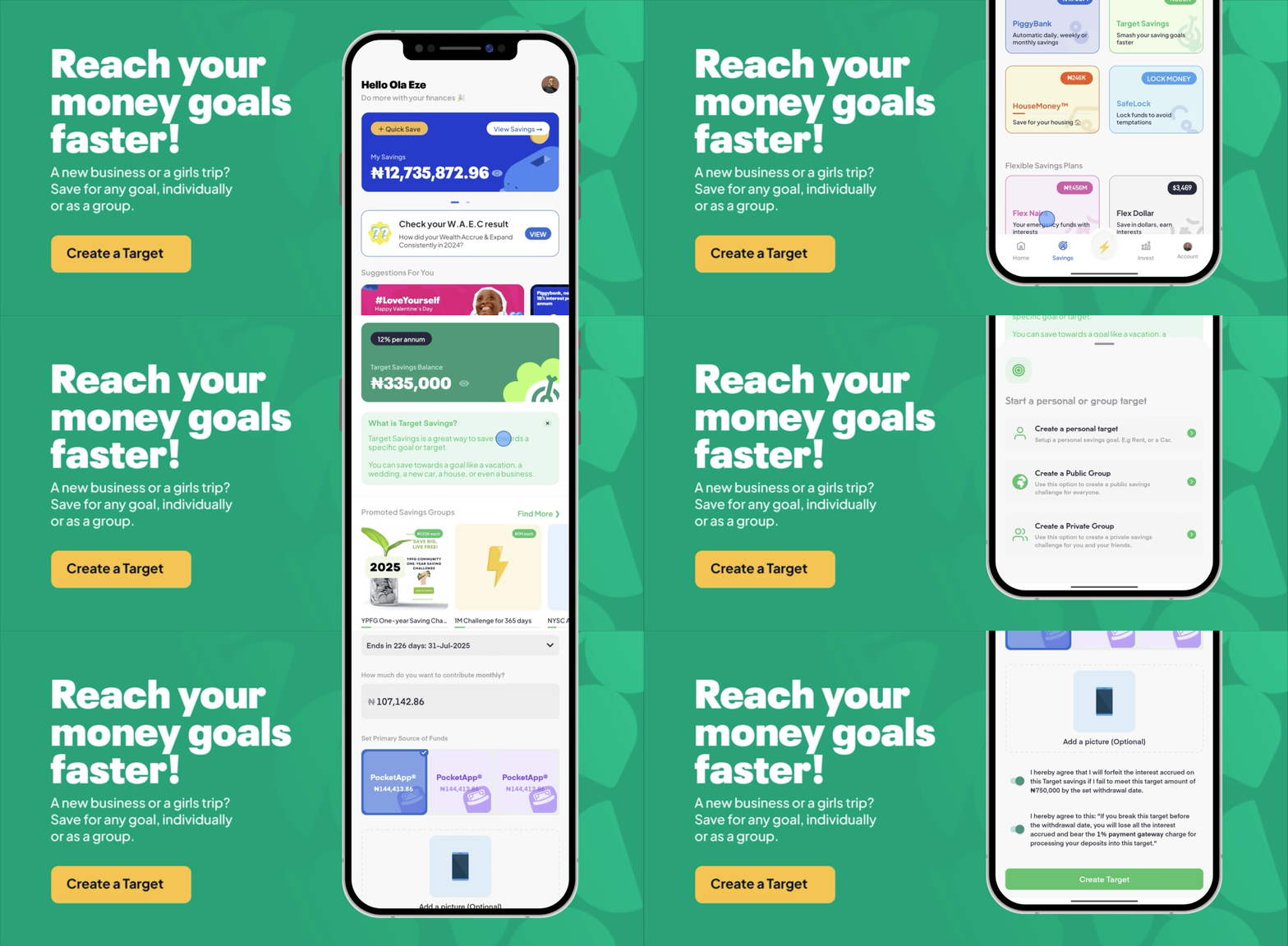
With your disposable income, you can set and plan for specific financial goals. These could include a new car, laptop, school fees, or that trip you’ve been dreaming about. With our Target Savings, you can set goals and a savings timeline and save automatically. You can also create Group Targets to make regular contributions alongside your family or friends. All this while earning sweet interest.
3. Budgeting:
A solid budget helps you control your spending and manage your disposable income properly. One simple budgeting method you can try is the 50/30/20 rule: allocate 50% to needs, 30% to wants, and 20% to savings.
If, realistically, your needs require more than 50% of your income, that’s no problem. You can easily tweak this method to suit your needs. What matters is that you stick to it.
10 Of The Best Books About Money For Nigerians To Learn About Saving, Investing, And Wealth Building
4. Investment and asset management:
Don’t just save, grow your money. Investing helps you beat inflation and build wealth over time. Start small with low-risk options, such as mutual funds, treasury bills, or Piggyvest’s pre-vetted opportunities. Explore Piggyvest’s Investify feature to access low-risk investment options that suit your risk appetite and budget.

5. Personal development:
Consider using part of your disposable income to upgrade your skills. Online courses, certifications, workshops, or even books can open up better job opportunities or help you launch a side hustle. Start with platforms like Coursera, Udemy, Treford, AltSchool or other local training programs that align with your career path.
6. Lifestyle improvement:
It’s okay to chop life too! A once-in-a-blue-moon brunch, a better apartment, a gym membership, better gadgets and appliances, can make daily life more comfortable and productive. Lifestyle improvements are ideal, as long as they are within your means.
7. Planning for retirement:
Yesterday was the best time to start thinking about retirement, but today is also a great day to begin. Want to retire early? Then start making small but consistent contributions to a Retirement Savings Account (RSA).
8. Investing in your health:
Good health is your greatest asset. Use your disposable income to eat better, go for regular checkups, join a gym or fitness class, and buy health insurance if you can afford it. Prevention is better—and often cheaper—than curing illnesses.
9. Passion projects:
Disposable income can help you pursue your passions. If you have a love for fashion, photography, writing, or baking, you can allow a portion of your income to pursue these passions. Over time, this could become a side hustle or even your primary source of income. You never know.
10. Aiding family and friends:
Are you really Nigerian if you don’t feel the obligation to support your family financially? Helping your loved ones is great, but ensure you plan it out first. Set aside a specific monthly amount to support your loved ones, and try not to exceed it. You can be generous without sabotaging your finances.
11. Side businesses:
Nigeria’s economy makes it risky to rely on just one source of income. Use part of your disposable income to test or grow a side business—whether selling items online, running a logistics service, or offering your services as a freelancer online. Remember to start small, track your profits, and reinvest wisely.