Making it in Nollywood takes a lot of determination and planning. No one knows this better than actress and influencer, Wumi ‘Tuase, who came into the limelight in 2021 as a lead in the Africa Magic epic series, Itura.
Wumi Tuase tells PiggyVest about planning her entry into Nollywood, landing her first big role and how saving has played a big part in her success.
Hi Wumi! Congratulations on landing your second Africa Magic series, Unscripted. It’s a milestone for every actor. What was it like booking the show?
Thank you so much! It is a milestone, and I am grateful for it. Booking Unscripted was actually very funny. I was called for the audition, and when I got there, I saw so many actors. I remember thinking these people were more established than me, so did I really stand a chance?
I also had to work that day, so I sat there with my laptop for a few hours and auditioned late. It was a 50/50 feeling, and I headed home not feeling optimistic. A few weeks later, I got a call from the director, and Brenda was mine!
Did you always want to be an actor?
Yes, I have always wanted to be an actor, but I needed to wait for the right time to commit to it fully. I had always acted throughout school, from primary to university, so many of my schoolmates weren’t surprised to see me on-screen. It has always been a passion, and I think a part of me always knew I’d end up here.
How did you get into the industry?
After a series of auditions, where I realised getting into Nollywood was no easy feat, I pulled back for a bit. But some of my friends who were already working in the industry would occasionally call me to play an extra, and I’d do it for fun.
I did a few of those till I started working in the automobile industry. That’s when I decided I was doing too much, so I couldn’t commit to it. At that time, I had a 9 to 5, a functioning fashion blog, and a styling side business. I was also doing my master’s, so it was a lot.
Was it expensive to get into the industry?
It wasn’t expensive for me, to be honest, because I didn’t have to spend a lot going from audition to audition. Most of it was online. The only thing is having to spend money on transportation to set. Thankfully, most of the projects I have worked on had accommodation and feeding.
I was also prepared mentally and maintained my career in digital content creation. I think it is a bit easier for me to manage because I haven’t made it my sole source of income. I am also very conscious of how I handle myself in the industry. Building relationships is more important to me than lobbying while I enhance my craft. So, no, it wasn’t expensive for me.
What was your first paid gig as an actor?
My first paid gig as an actor was for an extra in a movie I did around 2012 or so. Not sure of the year. I was a model in it and had no lines, but I had the prettiest clothes and shoes; frankly, I was just happy to be there.
I remember they gave me one job, “Give her a very bitchy expression,” and I put my all into that one look that I got praised for it. It was so funny. I got paid ₦15,000 per day, and it was supposed to be for four days. It was shot in Dolphin Estate, so I had to go to Ikoyi from Abule-Egba every day. I saw the trailer sometime in 2015 and laughed so hard.

What was your first steady gig in the film industry?
In 2021, I stayed with my friend Wendy Lawal-Simpson, who had been on Africa Magic’s RIONA the year before. The audition notice for ITURA came out, and she encouraged me to go for it. I was a bit sceptical, but I was only doing content creation then, so I prayed, and it felt right in my spirit.
I sent my audition in and didn’t hear anything for a long time. I knew the pre-production had started, so I gave up until I got a call from the Associate Producer one morning that I had gotten the role of Omosewa. It was amazing. I cried, my friends cried, my mum cried; it was a whole mess of emotions because I really needed that win.
I know it is different for every actor, but based on your experience, what is the ballpark salary for a recurring role in a major TV project?
The reality is there’s no set range for salaries, and I think that’s something we need to regulate in the industry. But then again, it can be hard. For a recurring role in a major TV project, you can get between ₦250,000 and ₦1,000,000 or above monthly. It really depends on the actor, the project and your bargaining power.
Many of us don’t like to discuss figures, but I always find out from fellow actors, so I know how to price myself. If you don’t have these conversations, you won’t know what’s happening in the industry, so it’s essential to know.

Acting is very different from having a 9 to 5 because you don’t get a steady salary. How do you manage your finances to ensure you stay buoyant between projects?
I have a weird relationship with money, and it’s so hilarious. That’s why I never know how to focus on just one job; I always need to have multiple sources of income, so even though acting is now my primary career, I can get a steady income from my other jobs, which are content creation, writing, and public relations management. I have a masters in PR, so I try not to let it go to waste.
A whole master’s degree while working and acting full-time? Colour me impressed. Do you feel multi-tasking in this way might be detrimental to your acting career?
Depending on my income from acting alone as a newbie actor is wildly unsustainable. The industry doesn’t have that steady structure yet, especially for us new actors. You’ll always find me preaching the gospel of multiple income streams to my colleagues because I know how hard it is to rely on your talent to take you out of the trenches. It’s tough. So before that big break, I will always be doing something extra, so I don’t starve [Laughs].
Do you have a preferred method of saving?
I could be better with saving, but I always make sure to have different target savings on PiggyVest for rainy days. It’s very chaotic, but I make sure I save some money every month, unfailingly.
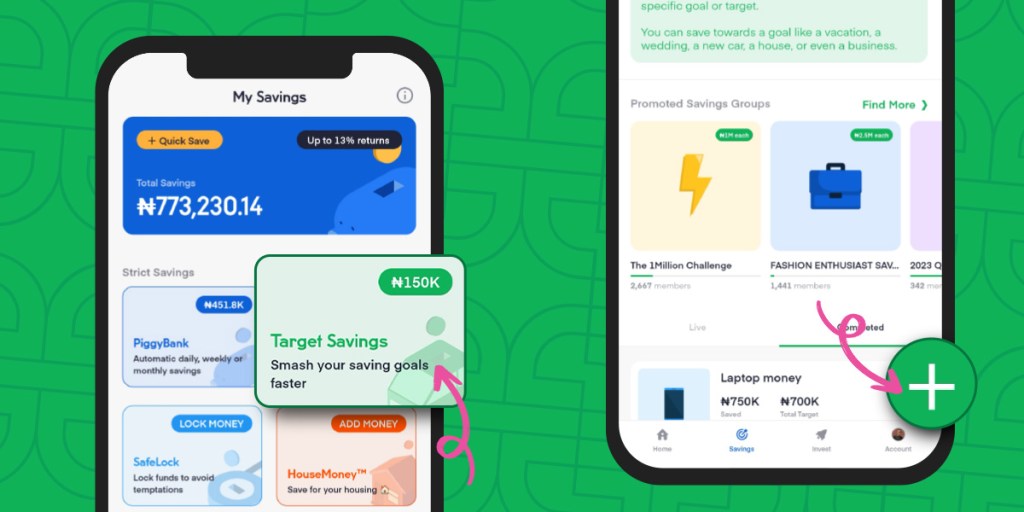

Image is everything in the film industry, and when done right, branding is costly. Do you budget for events, publicity and branding, or just wing it?
Oh yes, I have to budget for all of that. Uber isn’t cheap, makeup isn’t cheap, and fashion is definitely not cheap. It helps that I have a background in PR, so I can identify the ways I want to be seen. I am also a fashion content creator, so I will always be able to whip something up.
Most importantly, I believe in collaborations, and over the years, I have been blessed to work with various brands who trust me with content creation, so all of these are planned and budgeted for, even down to the delivery fee of anything I’m buying or getting gifted. If I don’t budget, my account will embarrass me o!
Are there any financial decisions you have made in service of your career that you are very proud of?
Having a dedicated target savings where a sum of my income goes monthly has really helped me. I am proud that I’ve been dedicated to it.
This may sound basic, but I am happy that I bought my content creation tools early because they have come in handy in both careers. I also utilise them for my colleagues and am now their unofficial branding expert.

The most expensive one that I am proud of is my phone. I cried buying that phone, but it has come in very handy.
Were there any financial mistakes you made at the beginning of your journey?
To be honest, I prepared for this journey. When I started properly in 2021, I was broke. Very broke. So, I had a plan going in and stuck with it. I was a day player, meaning there was no fixed income at the end of every month, so I would prepare the script ahead to figure out how many appearances I might have that month and plan my spending and savings around that.
I had some unexpected expenses towards the end, which shook my savings a bit, but I avoided making financial mistakes.
Nigeria’s film and television industry doesn’t provide much financial security for actors. Do you have a long-term savings or investment strategy for staying financially secure through your career and after?
I am still working on having that long-term saving strategy. The industry moves at such a fast pace that you barely have time to do anything other than work and save what you can. It can be very daunting.
I recently started researching how Hollywood actors do it, but it’s a stark contrast to how our industry is, so not much help there. As an independent actor with no manager or agent to get me steady jobs, I just have to stay afloat.
I guess it won’t hurt to have a plan in place, so I am still on the lookout. Personally, I just try to ensure I save something monthly.
What financial tips would you like to share with other young actors who want to build a financially secure career in the industry?
My top financial tip is to diversify your talent to other industries or aspects of the film industry. The industry can’t sustain you in the beginning, and you need to be in a good mental state to give your best shot at any role you get.
The reality is that money is tied to your mental health, so when you’re getting income from other places, it is easier to sustain your talent while you wait for your break-out role. Save, no matter how small.
Target these savings to your monthly needs and for building yourself up as well. Learn new skills and just try to stay alive [Laughs].